
Blog
How to Stay Relaxed and Play Your Best in Table Tennis Matches

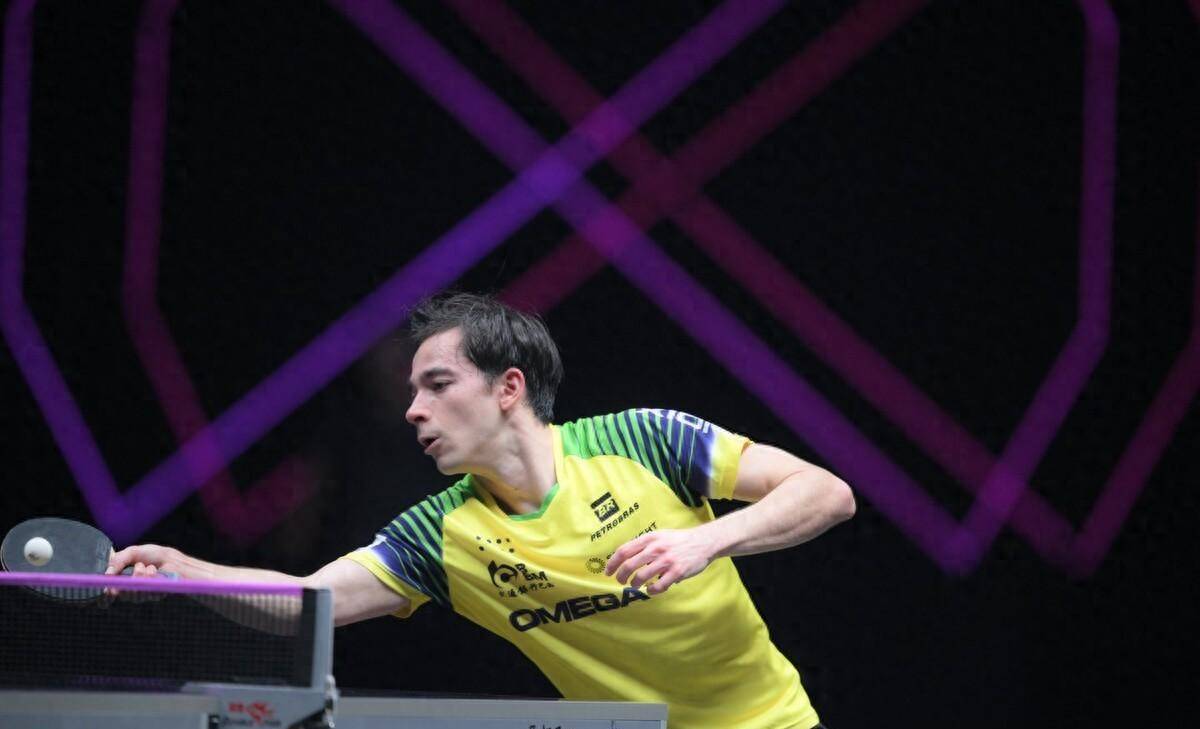
Many players feel nervous during matches. Your body feels tight, your strokes don’t feel right, and the shots you normally make in practice just don’t land. Sound familiar?
This often happens because of pressure—new environments, unfamiliar opponents, or just the fear of losing. When your body is tense and your mind is stressed, it’s hard to play your best.
Every competitive player knows this truth: in a high-pressure match, you might only perform at 50% of your training level—or even less. Tight muscles, rushed decisions, hesitation between shots—all of these are signs that tension has taken over.
It’s not just about technical mistakes. Match nerves often come from unfamiliar environments: different lighting, flooring, table bounce, or a new opponent whose rhythm or tactics throw you off. Add to that the internal pressure to win, and even the most solid technique can fall apart.
That’s why learning to stay relaxed under pressure is one of the most important skills in table tennis. At the highest level, it’s not always the most talented player who wins—it’s the one who can bring out their best game when it matters most.
In this article, we’ll explore practical ways to prepare your body and sharpen your mind before a match. From proper warm-up routines to tactical drills and mental strategies, you’ll learn how to create the physical and psychological conditions needed to compete at your real level. We’ll also look at how top professionals like Hugo Calderano train their minds to stay loose, focused, and confident—even in the most intense moments.
Because in the end, table tennis is not just about skill—it’s about finding the freedom to let that skill shine, even when the pressure is on.
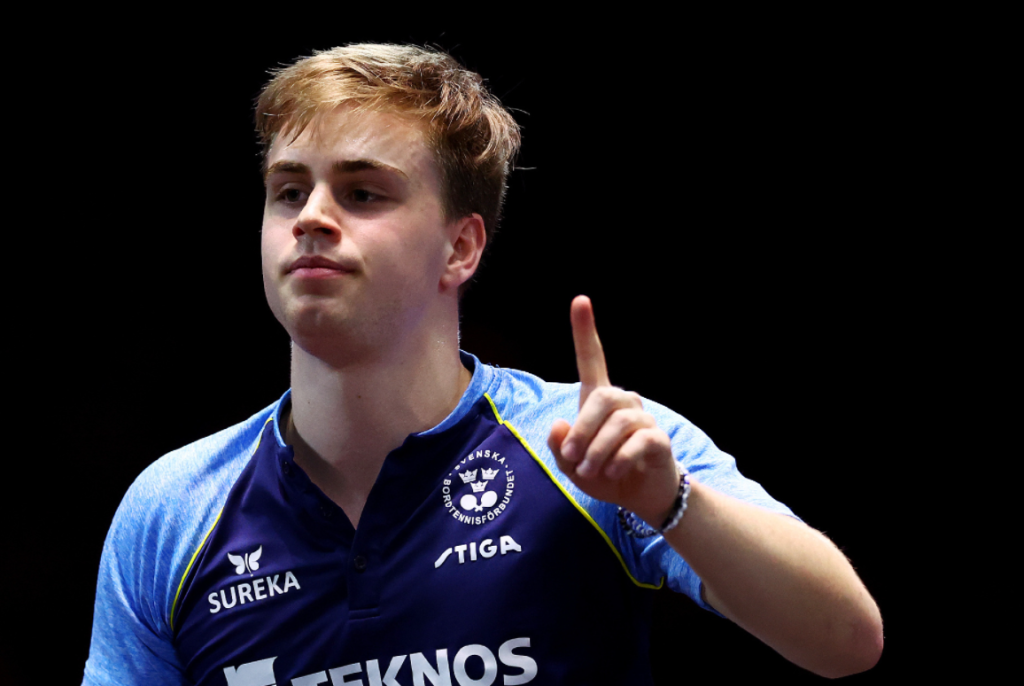
Why Tension Steals Your Speed (and How to Beat It)
When you’re tense, your body can’t move the way it needs to. Your swing gets shorter, your timing is off, and your legs feel heavy. You may think you’re hitting hard, but the power doesn’t transfer to the ball—it gets stuck in your muscles.
This is one of the biggest challenges in competition: your body tightens up without you even realizing it. Under pressure, players often grip the racket too tightly, hold their breath, and freeze their legs between shots. The result? Slower recovery, weaker shots, and poor shot selection.
From a professional perspective, we train hours every day to build speed, precision, and timing. But in a tense match, all of that can disappear if we can’t stay relaxed. That’s why top players spend as much time training their nervous system as their strokes. Learning how to breathe, how to reset between points, and how to trust your technique is key.
So how do you beat tension?
-
Breathe out during contact. Exhaling helps release upper-body tension and improves timing.
-
Loosen your grip. Think “firm but flexible,” not stiff. The racket should feel like an extension of your hand.
-
Stay light on your feet. Keep your heels slightly off the ground and take small split-steps before each shot.
-
Focus on rhythm, not results. When the game gets tight, go back to your flow—movement, timing, and contact.
In short: relaxation creates speed, and speed creates confidence. If you want to play fast and sharp, your body has to feel free—not frozen.
Pre‑Match Physical Warm‑Up (5 Minutes)
Many players underestimate the importance of a proper warm-up. They show up, hit a few balls, and jump straight into match play. But in reality, your performance in the first 5–10 points of a match often sets the tone for the entire game. If your body is tight or slow to react, it doesn’t matter how good your technique is—your timing, balance, and touch will be off.
That’s why professional players treat the pre-match warm-up as a non-negotiable part of competition. A good warm-up does much more than just “get the blood flowing.” It:
-
Raises muscle temperature, improving flexibility and reducing the risk of injury
-
Activates the nervous system, making reactions sharper and movement more explosive
-
Prepares the body for table tennis-specific patterns, such as split-step footwork, rapid shoulder rotation, and relaxed forearm acceleration
Here’s a warm-up routine you can follow in just 5 minutes, designed to get your entire body ready—from feet to fingertips.
Dynamic Warm-Up Routine (5 Minutes)
| Body Part | Dynamic Move | Reps / Time | Why It Matters |
|---|---|---|---|
| Ankles & Knees | Small pogo hops in place | 30 s | Loosens joints and activates lower leg muscles for quick steps and fast direction changes. |
| Hips & Core | Big torso twists + hip circles | 8 each way | Engages the body’s center of gravity, key for rotation and balance during forehand/backhand transitions. |
| Shoulders & Elbows | Arm swings (forward & backward) | 15 each direction | Mobilizes the shoulder girdle to prevent stiffness when reaching for wide balls. |
| Wrists & Fingers | Wrist rolls + finger flicks | 20 s | Helps achieve a loose but responsive grip—especially important for serving, flicking, and blocking. |
| Full Chain | Shadow forehand/backhand loops at 70% speed | 20 strokes each | Rehearses whole-body coordination: feet, hips, arm, and wrist all moving in sync. |
How to Do It Right
-
Start from the ground up. Begin with the feet and legs, then move upward through the hips, shoulders, and arms. Each segment builds on the last.
-
Use controlled movements, not frantic ones. You want to wake up the muscles—not tire them out before you even start the match.
-
Focus on feel. As you warm up, ask yourself: Do I feel light on my feet? Are my shoulders free? Can I feel the racket head in my fingers?
Common Mistakes (and How to Fix Them)
| Mistake | What Happens | Fix |
|---|---|---|
| Skipping warm-up entirely | Muscles feel tight, movement is slow | Always set aside 5–10 minutes for pre-match prep, even if time is short. |
| Doing only static stretches | Reduced explosiveness, early stiffness | Focus on dynamic movements first. Save long stretches for cool-down. |
| Hitting at full power too early | Timing is off, shoulder gets tight | Start at 60–70% power, gradually build up speed during warm-up rallies. |
By the end of your warm-up, you should feel a light sweat on your skin—not tired, but energized. Your shoulders should feel loose and mobile, ready to rotate freely without stiffness. Your legs and feet should feel light and responsive, as if they’re ready to bounce or shift at any moment.
Equally important is your breathing. It should be steady and calm, with a natural rhythm that helps you stay relaxed but alert. Most importantly, you should feel connected—your mind focused, your body awake, and your movements fully in sync with your racket.
Professional players often say, “If you don’t warm up, you’ll spend the first game trying to find your body.” That wasted set could cost you the entire match. So next time you compete, treat your warm-up with as much importance as your serves or forehand loop—it’s the quiet foundation of a great performance.
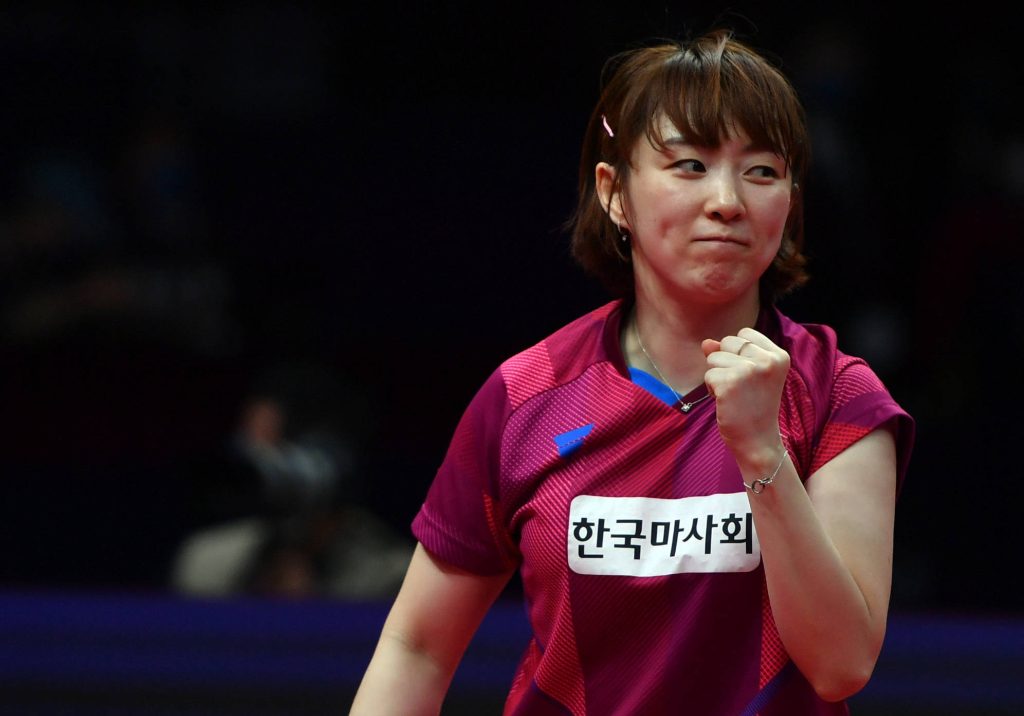
Table-Feel Drills (6–8 Minutes)
Once your body is physically warmed up, the next crucial step is helping your hands, eyes, and timing adjust to the table and environment. This part of the warm-up isn’t about technique refinement or power hitting—it’s about developing a feel for the ball, the bounce, and your surroundings.
In professional settings, players rarely skip this step. Even after hundreds of hours of training, small differences in table bounce, lighting, room size, or floor grip can affect judgment and control. Table-feel drills help your brain recalibrate quickly so that by the time the match starts, your strokes feel “natural” again—even in a new setting.
These 6–8 minutes are not for showing off. They’re for tuning in.
Objectives of Table-Feel Drills
The purpose of table-feel drills goes beyond just getting a few rallies in before the match starts. These drills are designed to help you adapt to the specific playing conditions around you—whether it’s the bounce of the table, the lighting, or the space behind and around the court. One of the key goals is to adjust to the speed and spin of both the table and the ball. Even slight differences in bounce height or surface grip can throw off your touch if you don’t actively recalibrate.
These drills also help you rediscover your timing and spacing, ensuring that your stroke mechanics and body positioning naturally fit the table again—especially if it feels different from your regular training environment. At the same time, they sharpen hand–eye coordination, allowing your mind and muscles to work together smoothly before full-speed rallies begin. Perhaps most importantly, these drills reinforce calm, rhythmic strokes under control, so you’re not rushing or forcing shots before you’re fully tuned in.
Suggested Drill Progression
Start your table-feel session with regular forehand and backhand rallying, keeping the power at about 50–70%. The goal here is rhythm and clean contact. Focus on controlling your strokes and making 20–30 consistent exchanges with your partner. This gets your body into a steady tempo and helps you feel the ball’s bounce on the day’s specific surface. Avoid adding aggressive spin or trying to “win” the warm-up—just feel the flow.
Next, move into looping against a block, or hitting fixed-point topspins. Pick one target zone—such as forehand cross-court—and deliver controlled topspin strokes to the same spot. During this drill, pay attention to the arc height and how your body rotation affects the ball’s depth. This is a great way to adjust to the space in the playing hall and the way the table grabs the ball.
Then, spend a few minutes on serve and receive practice. Take turns serving short and long, mixing in pushes, digs, and light flicks. Notice how much spin the table takes and how your racket reacts to the contact. It’s an excellent way to sharpen your short game and fine motor control without pressure.
Finally, try some connection drills—for example, push short, then loop, then block. These sequences help you link different shots naturally and prepare for real game patterns. The aim is to get your body used to changing tempo, adjusting footwork, and making decisions fluidly.
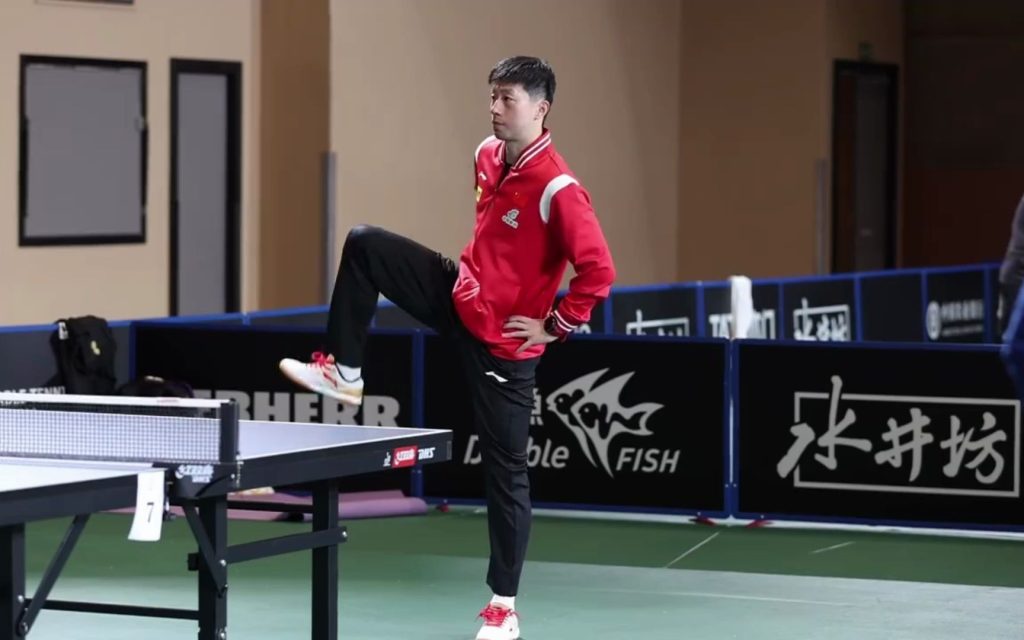
How to Get the Most Out of It
To make these drills effective, stay relaxed throughout. Many players unconsciously tense up while trying to show power or impress their partner. But this warm-up phase isn’t about hitting winners—it’s about building feel. Keep your muscles loose and your grip soft, letting your shots flow without forcing them.
Pay attention to rhythm over power. Let your body settle into a natural tempo that you can maintain during the match. Don’t rush your swing or over-accelerate—smooth, balanced movement is far more important at this stage.
Lastly, take time to notice the details. How does the ball bounce? Does it skid or grip more than expected? Is the spin behaving normally? These subtle observations can save you from early-game errors and give you a tactical edge from the very first point.
Signs That You’re Ready After Table-Feel Drills
You’ll know your table-feel warm-up was effective if your timing feels automatic—you’re judging distance and contact points instinctively, without overthinking. Your hand should feel connected to your racket, with precise touch and control. You won’t be over-hitting or misjudging the bounce, and you’ll feel like you’re flowing from shot to shot smoothly.
When you’ve reached this point, your body and mind are in sync, and you’re truly ready to compete—not just physically warmed up, but fully tuned in to the game.
Table-feel drills are like tuning an instrument before a performance. You wouldn’t jump into a concert with an out-of-tune guitar—and you shouldn’t start a match without calibrating your hands and eyes. Spend these few minutes wisely, and the ball will start to “talk to you” before the first point is even played.
Technical Troubles & Quick Fixes
Even with strong fundamentals, technical issues often show up during matches—especially under pressure. Timing gets thrown off, movements get rushed or delayed, and the confidence to execute clean strokes drops. The good news is, most of these problems are fixable once you know what’s causing them. Below are a few of the most common in-match technical troubles, along with practical adjustments to help you reset and recover quickly.
Trouble 1: “I can’t get back in position after each shot.”
Symptom: You’re late to the next ball. You feel stuck after attacking or defending.
Likely cause: You’re skipping the split-step or your weight isn’t centered.
Quick fix:
-
Add a small split-step bounce after every stroke to reset your balance.
-
Keep your weight slightly forward, on the balls of your feet—not on your heels.
-
Think: Hit – Land – Get Ready.
Trouble 2: “My first loop is fine, but the second shot always goes long or off.”
Symptom: You land a good opening loop, but the next ball flies long or feels rushed.
Likely cause: You didn’t reset your body or adjust your swing arc after the first shot.
Quick fix:
-
Lower your stance slightly after the first shot to prepare for the next one.
-
Don’t assume the first loop will end the rally—stay connected to the point.
-
Visual cue: After loop, drop weight and re-center before the follow-up.
Trouble 3: “My forehand topspin feels stiff or slow.”
Symptom: The shot lacks acceleration or doesn’t go where you intended.
Likely cause: Tension in the shoulder or gripping too tightly.
Quick fix:
-
Loosen your grip by 10–20%. Think “soft fingers, firm wrist.”
-
Use your hips and legs more to drive the swing—don’t muscle the arm.
-
Imagine “whipping” the ball, not pushing it.
Trouble 4: “I keep missing high balls or smashes.”
Symptom: You’re hitting smashes into the net or off the table, especially on easy balls.
Likely cause: Poor timing or hitting too early in the ball’s flight path.
Quick fix:
-
Wait for the drop. Smash after the ball starts to fall—not at the very top.
-
Use your body weight and arm together, not just arm power.
-
Add a slight pause, then accelerate down like a snapping towel.
Final Tip: Don’t Overthink Mid-Match
Most technical breakdowns during a match aren’t due to lack of skill—they’re due to rushed movement, poor spacing, or tension. The key is to stay self-aware without getting self-critical. When something goes wrong, ask yourself a calm, simple question: “Did I move well? Was I balanced? Was I too tight?” Then make one small adjustment. That’s often all it takes to turn the game around.
Building a Champion Mindset — Lessons from Hugo Calderano
In table tennis, talent and training can take you far—but your mindset decides how far. Many players struggle not with technique, but with pressure: fear of losing, overthinking, and the weight of expectations. One player who has openly transformed his approach to competition is Hugo Calderano, a top contender from Brazil. His mental shift holds powerful lessons for players at every level.
Hugo once said:
“When you’re more relaxed, more joyful, and having fun, you always play better.”
This isn’t just positive thinking—it’s a performance strategy. For Hugo, learning to enjoy the process and let go of fear was key to unlocking his best game. Instead of trying to win every match, he began focusing on competing well, staying present, and trusting his preparation. The result? More freedom, better decisions, and greater resilience under pressure.
So how can we apply the same mindset in our own matches? Here are four practical takeaways inspired by Hugo and other top athletes:
1. Track Your Progress, Not Just Your Results
After every training session, write down what you improved—faster recovery, better spin variation, fewer forced errors. This builds confidence based on growth, not just wins or losses. It reminds you that progress is happening, even if results are delayed.
2. Use Visualization to Handle Stress
Elite athletes often visualize difficult match situations before they happen. Imagine yourself at 0–2 down. What do you feel? How do you respond? By mentally rehearsing resetting your mindset, you build real emotional resilience—so when it happens in reality, your brain already knows what to do.
3. Play as Yourself, Not like Someone Else
Hugo doesn’t try to copy Chinese players—he embraces his unique style. You should too. Maybe you have a stronger backhand, or a flatter trajectory, or a faster tempo. Don’t suppress it; refine it. Build your game around what makes you different, and learn how to use it as a strength against different styles.
4. Prepare Multiple Plans, Not One Strategy
Mental flexibility starts with tactical options. Against a chopper? Have a plan. Against a lefty blocker? Another plan. The more scenarios you’ve rehearsed, the more calm and clear-headed you’ll feel—even when things don’t go as expected.
Match-Day Checklist & Practical Tips
Success on match day doesn’t just come from good strokes—it comes from good habits. From the moment you arrive at the venue, every action you take can either help you stay relaxed and focused or feed into stress and distraction. Below is a set of practical tips and reminders to help you approach competition with confidence, structure, and clarity.
Arrive Early and Settle In
Give yourself at least 30–45 minutes before your first match to get used to the space. Walk around the venue, check the lighting, feel the floor, and get a sense of the distance behind the table. This helps your brain adjust to the new environment before you even pick up a racket. Rushing into a warm-up or arriving last minute is one of the fastest ways to start a match with tension.
Stick to Your Warm-Up Routine
Whether it’s five minutes or fifteen, always follow a consistent warm-up routine: physical activation first, table-feel drills next, and finally serve + receive. This builds rhythm and familiarity, which is crucial when your nerves are high. Avoid the temptation to skip parts or “just hit for fun.” Structure brings calm, and calm brings performance.
Use Simple Mental Triggers
As the match starts, focus your mind with short mental cues. A few examples:
-
“Relax your grip.”
-
“Play with rhythm.”
-
“One point at a time.”
These reminders keep your brain from drifting into worry or overthinking. Some players even write them down on tape at the edge of their racket or towel.
Between Points: Reset, Don’t React
When a point ends—whether you win or lose—take a breath and reset. Step back, towel off if needed, and consciously relax your shoulders. Avoid carrying frustration into the next point. Use short routines: tap your leg, bounce the ball, or repeat a cue word to bring your focus back. Matches are rarely won in a single point, but many are lost by spiraling after one mistake.
Stay Fueled and Hydrated
Keep a water bottle and light snack (like a banana or energy bar) on hand, especially during longer events or multiple matches. Hydration and stable blood sugar help you stay mentally sharp and physically responsive. Don’t wait until you feel tired—fuel consistently.
Post-Match Reflection, Not Self-Blame
Win or lose, take a few minutes after each match to reflect—not criticize. What went well? What felt off? What will you adjust next time? A short written note or voice memo helps turn every match into feedback for future growth. This habit separates emotional players from thoughtful competitors.
Final Tip: Trust Your Preparation
On match day, you’re not there to “find” your form—you’re there to use what you’ve trained. Trust your routines, trust your instincts, and most importantly, enjoy the moment. You’ve already done the hard work. Now it’s time to let it flow.
