
Blog
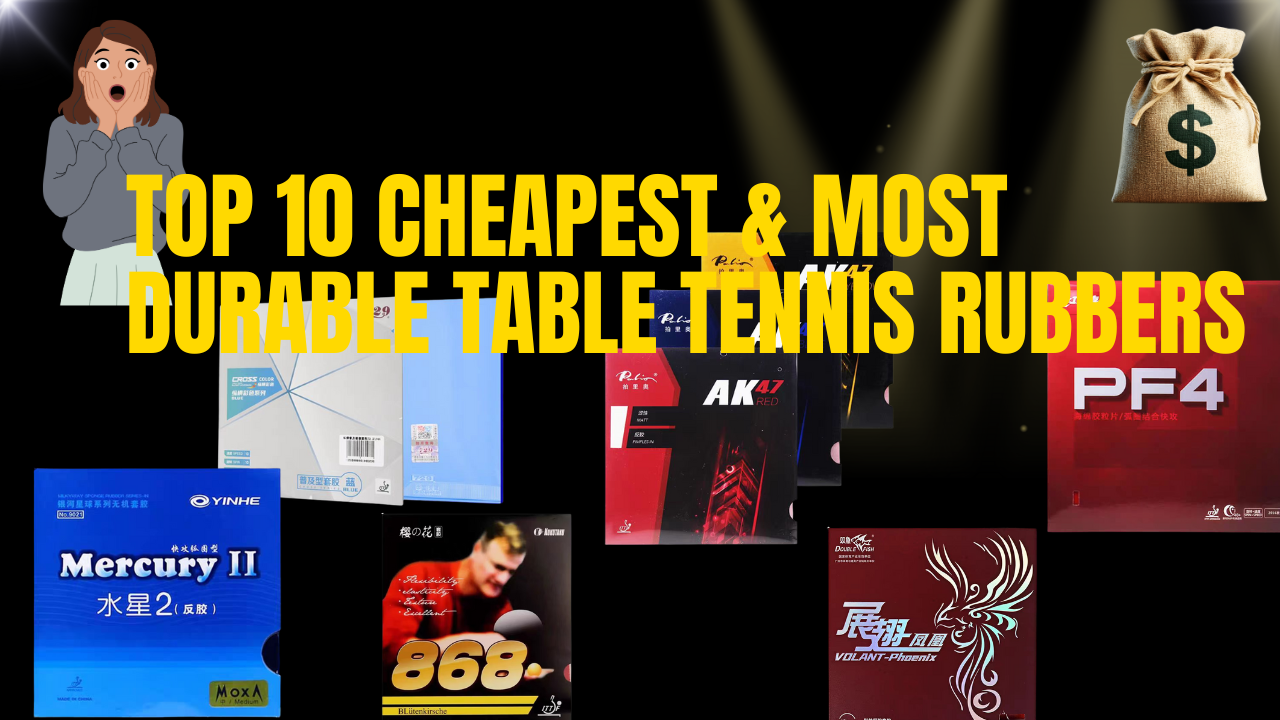
Top 10 Cheapest and Most Durable Table Tennis Rubbers

| Image | Product | Features | Price |
|---|---|---|---|
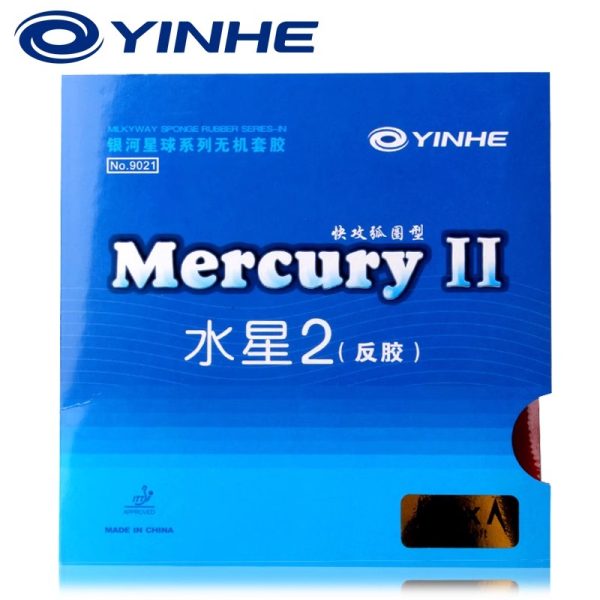 | Tacky rubber with a medium-soft sponge, offering high spin, stable control, and decent speed, making it ideal for all-round and spin-oriented attacking play. | Check Price | |
 | Balanced inverted rubber offering good speed, spin, and control. Grippy topsheet with an elastic feel, suitable for all-round attackers and developing offensive players. | Check Price | |
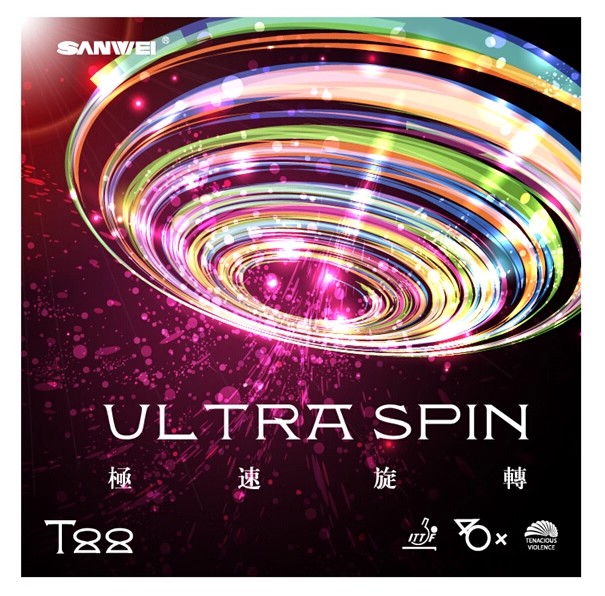 | Semi-sticky inverted rubber with high spin and balanced speed. Offers excellent control and powerful looping performance, ideal for aggressive loopers and all-round attackers seeking strong spin and consistent placement. | Check Price | |
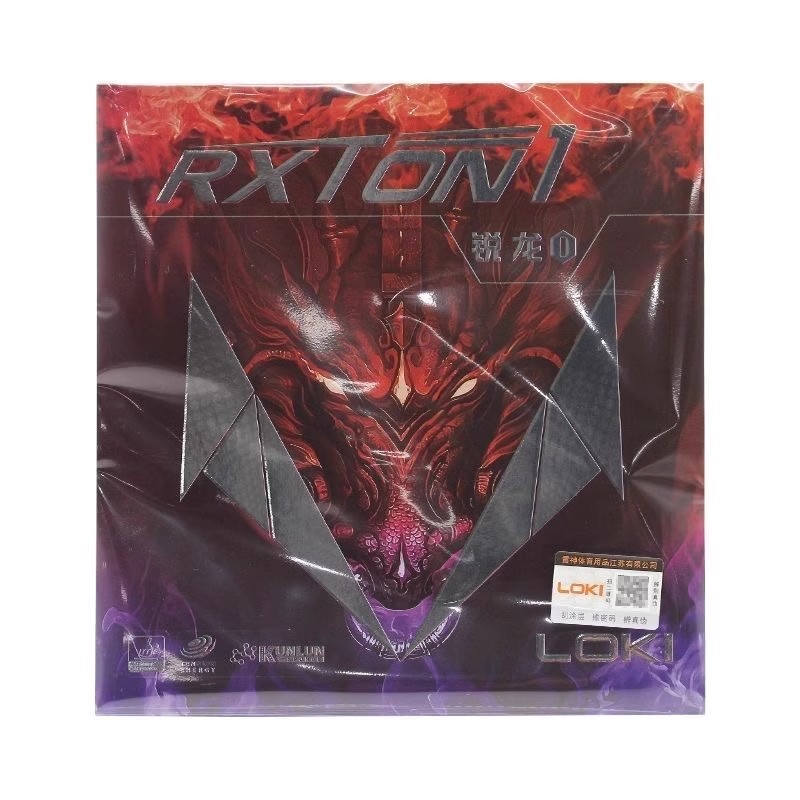 | Tacky offensive rubber delivering strong spin and medium‑fast speed. Balanced control and power, suited for all‑round attackers seeking consistent loops. | Check Price | |
 | High‑spin inverted rubber with balanced speed and good control. Offers solid loop performance and dependable placement, ideal for all‑round attackers and developing players | Check Price | |
 | Offensive rubber with strong spin and medium‑fast speed. Balanced control and powerful loops, great for all‑round attackers who want consistent performance and good feel. | Check Price | |
 | Grippy inverted offensive rubber with strong spin and lively catapult. Balanced speed and control, ideal for loopers and all-round attackers seeking reliable topspin and consistent performance. | Check Price | |
 | Offensive inverted rubber with high spin and medium‑fast speed. Offers good control and lively feel, ideal for loopers and all‑round attackers seeking dependable topspin performance. | Check Price | |
 | Tacky offensive rubber with strong spin and medium‑fast speed. Performance similar to Donic Bluefire at a more budget‑friendly price, ideal for all‑round attackers seeking reliable topspin. | Check Price | |
 | Hybrid rubber with spin and controlled speed on one side, and defensive variation on the other. Ideal for all‑round attackers mixing offense and tactical play. | Check Price |
When choosing table tennis equipment—especially rubbers—there are many factors to consider, such as hardness, thickness, and whether you prefer a tacky or grippy surface. But there’s one factor that no one can ignore: price.
Many classic and well-known rubbers come with a hefty price tag. Products like Butterfly Tenergy 05 or Xiom Jekyll & Hyde C55 often cost $70 to $80 USD per sheet, which can be a significant burden for players on a limited budget, especially beginners.
That’s why, in this blog, I’ll be highlighting 10 affordable and high-value table tennis rubbers. Most of them cost between $10 and $20 USD per sheet, making them extremely budget-friendly while still offering solid performance.
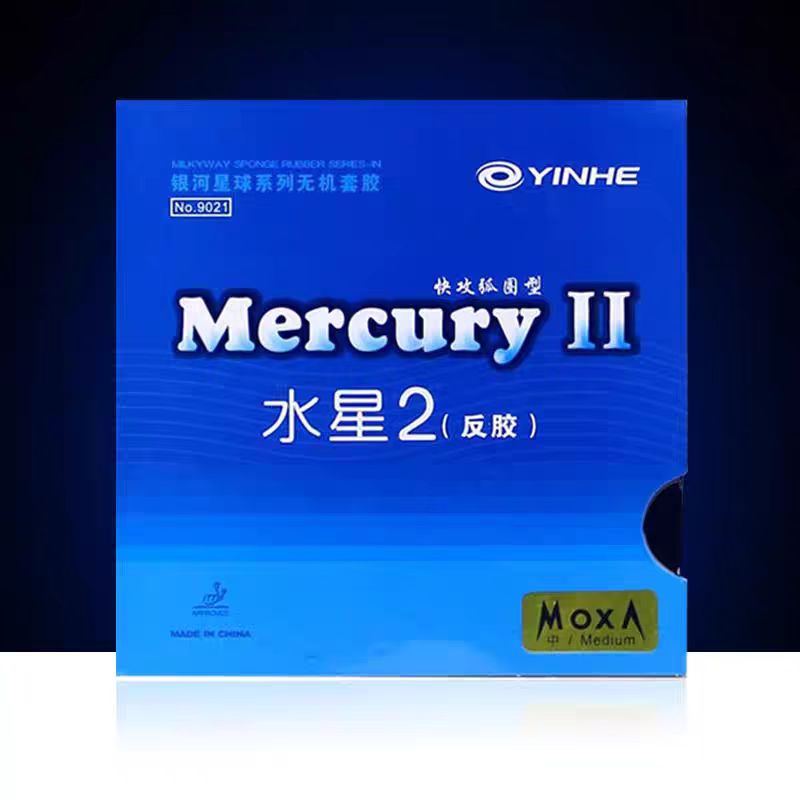
Yinhe Mercury II
Yinhe Mercury II is one of the most popular budget table tennis rubbers on the market, mainly because of its incredibly low price—around $8 per sheet—while still offering solid durability. We already made an in-depth review for Yinhe Mercury 2. For most players, it easily lasts three to six months without noticeable performance loss.
This is a tacky Chinese-style rubber with moderate speed but excellent spin potential. I’ve personally used it on my forehand for chopping, and it produces noticeably heavier spin, making defensive shots more effective.
This rubber comes in two sponge options: medium and soft.
-
The medium version has better rebound and offers more power.
-
The soft version is more stable and forgiving.
Both versions are excellent choices for beginners due to their high control and very low cost. It is also commonly used as a “training rubber” in many clubs because it offers predictable performance at an unbeatable price.
Friendship/729 Cross
Friendship/729 was extremely popular when I first started playing table tennis as a child, mainly because of its excellent price-to-performance ratio. Around 2004, when we were just beginning to learn the sport, almost no one used Butterfly blades or rubbers—they were simply too expensive. Most of my teammates, myself included, used 729 blades and rubbers. I still have my paddle from over 20 years ago, fitted with the classic 729-2, which is still affordable today and definitely worth trying.
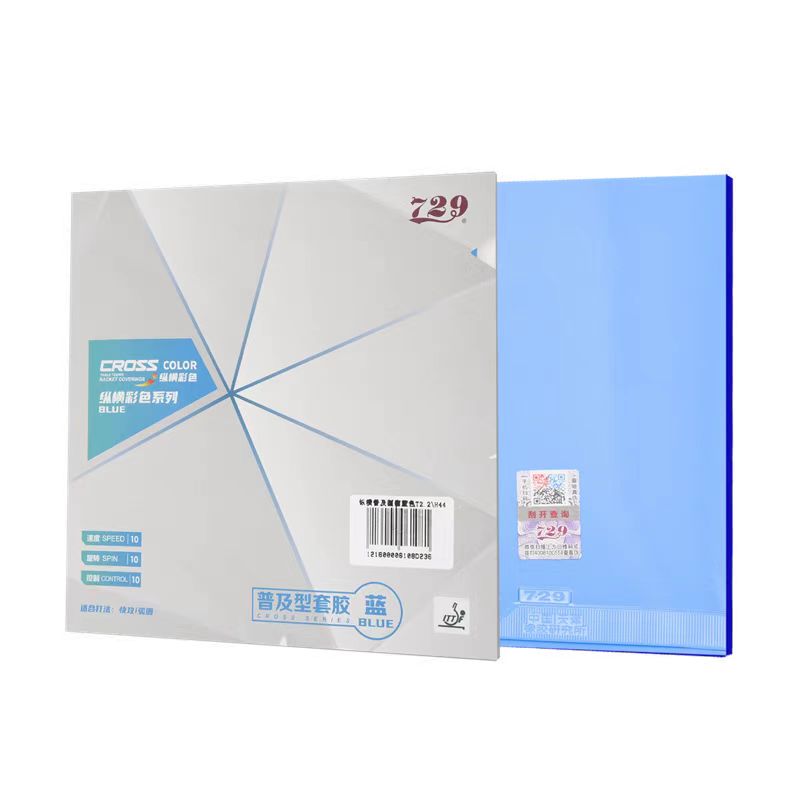
In recent years, 729 released an even cheaper option—the 729 Cross series. It includes both the standard version (traditional black and red topsheets) as well as colorful variants like green and blue, giving players more visual choices while keeping the price extremely low.
The 729 Cross is designed as a lightweight, all-round rubber that’s ideal for beginners and recreational players. Its slightly softer sponge provides excellent control, while the grippy (but not fully tacky) topsheet makes it easy to produce spin without the stickiness typical of classic Chinese rubbers. The overall speed is moderate, which helps players develop proper technique rather than relying on the rubber’s power.
SANWEI T88 Ultra Spin
SANWEI’s T88 Ultra Spin is another highly regarded budget rubber that offers outstanding value for its price. It’s popular among club players and beginners because it delivers strong spin and reliable control without costing much—usually around $10 per sheet, making it one of the best low-cost options from SANWEI’s T88 series.
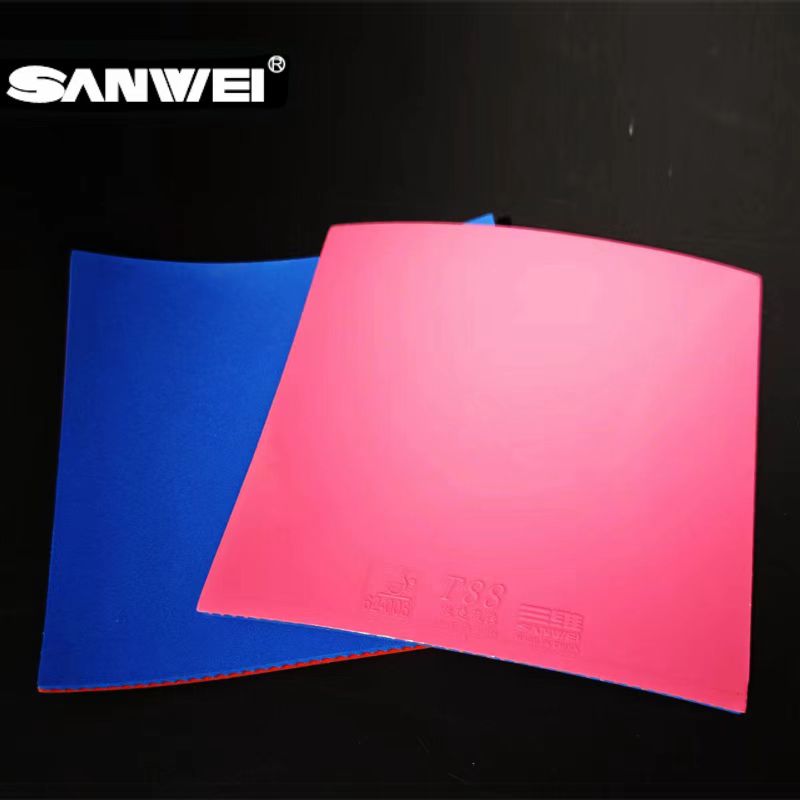
The T88 Ultra Spin features a tacky topsheet paired with a medium-soft sponge, giving it a familiar “Chinese-style” feel while still being more forgiving and user-friendly than many traditional tacky rubbers. This combination makes it suitable for players who want to learn spin mechanics properly while still keeping their shots controlled and stable.
With its tacky surface, T88 Ultra Spin generates excellent spin on serves, pushes, and opening loops, making it a great tool for players developing their forehand or backhand topspin technique. The medium-soft sponge provides a good balance between dwell time and rebound, resulting in controlled but consistent speed—fast enough for attacking, yet stable enough for beginners and intermediate players.
In real play, the rubber offers a solid sense of grip on the ball and a predictable arc, which helps reduce unforced errors and improves consistency during rallies. The durability is also impressive for its price level; many players report that the tackiness and performance hold up well over time.
Loki RXTON I
Loki’s Rxton series includes several well-known models—such as Rxton I, V, and IX—some of which even come with blue sponge versions. Among them, Rxton I offers the highest overall value, especially for players seeking strong performance at a low cost. Unlike the previous three rubbers on this list, which are mainly spin-oriented and typically used on the backhand due to their moderate speed, Rxton I is balanced enough to be used effectively on the forehand. Priced around $10–$12, it delivers a rare combination of speed, elasticity, and control, securing its place as one of the best budget rubbers available today.
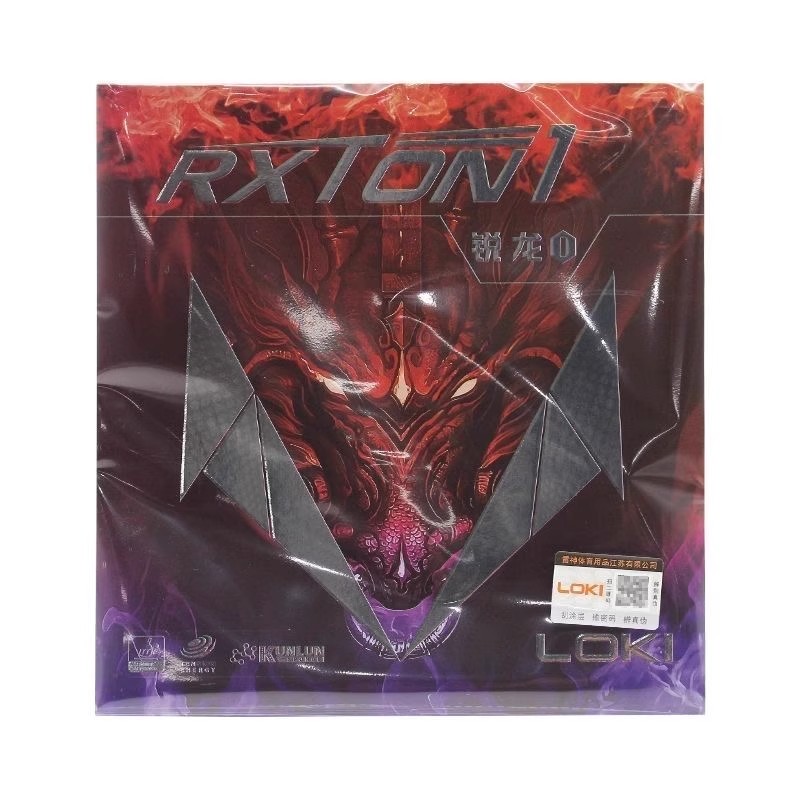
Rxton I features a tacky topsheet paired with a relatively lively sponge, giving it noticeably more speed than many traditional Chinese rubbers while still offering excellent spin generation. This makes it suitable for beginners as well as developing players who want to transition into a more offensive style.
This rubber excels at producing heavy spin on serves, pushes, and opening loops, thanks to its sticky topsheet and generous dwell time. The sponge—usually medium or medium-soft—adds crisp rebound and supports fast topspin strokes on both wings. Compared with classic tacky rubbers, Rxton I feels more elastic, more responsive, and easier to accelerate, even without advanced technique.
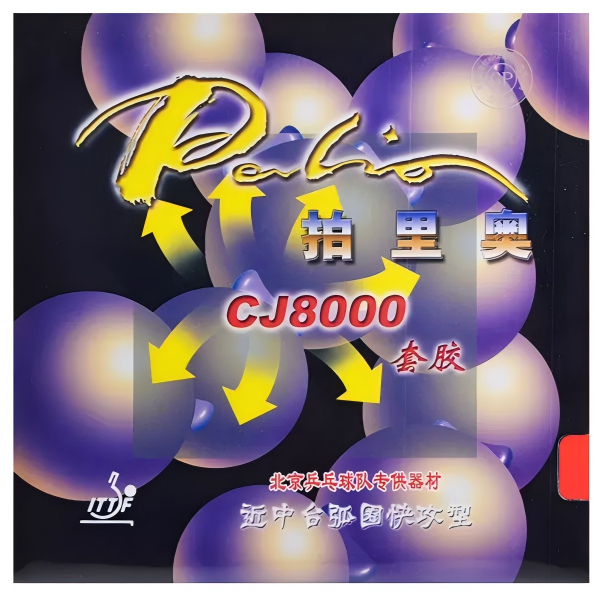
Palio CJ8000
Palio CJ8000 is one of the most iconic and long-standing budget rubbers in the market, having remained popular for well over a decade. The series includes a wide variety of versions—not only the basic model, but also Provincial versions and blue sponge variants, giving players plenty of options depending on their preference and playing style. CJ8000 is versatile enough to be used on both the forehand and backhand, though in my experience, it performs best when paired with a more elastic blade with strong rebound, which helps unlock its full speed potential. Priced around $10–$15, it delivers reliable performance at a very low cost, making it a favorite among beginners and budget-minded club players.
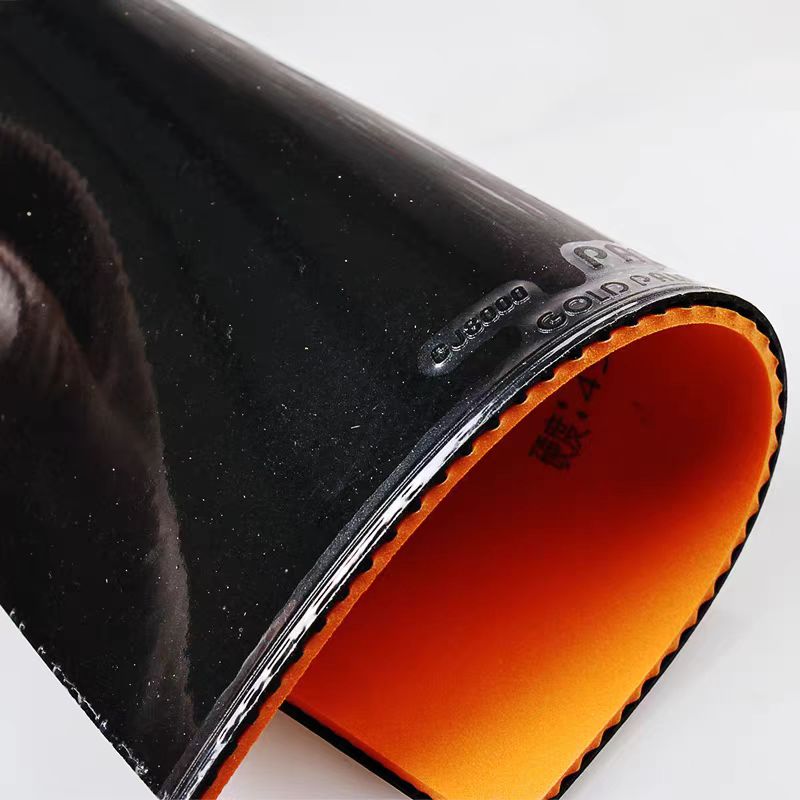
The CJ8000 series typically features a grippy or slightly tacky topsheet combined with a lightweight sponge, resulting in a rubber that provides good spin with easy control. Across its many versions, the overall feel remains consistent: user-friendly, elastic, and accessible to players still developing their technique.
It is well-known for its excellent control and high spin capability, especially in slow loops, serves, and short-game touches. Its topsheet grips the ball effectively, providing stable dwell time that helps players learn proper brushing mechanics. Compared with fully tacky rubbers, CJ8000 feels less sticky and more elastic, giving it a smoother, more forgiving response.
Its speed sits in the moderate range—sufficient for confident topspin exchanges while remaining steady for pushes, blocks, and defensive shots. Its lightweight construction also makes it a great choice for younger players or anyone who prefers a more maneuverable racket. Durability is solid as well; many players find the topsheet retains its grip for months of regular training.
DHS PF4
When people think of DHS (Double Happiness), most immediately associate the brand with its legendary Hurricane 3. While DHS has also released non-tacky rubbers such as the Gold Arc series (Gold Arc 5, 8, and 9), many players are not aware that DHS actually has another classic lineup: the PF series, which includes PF4 and PF4-50. These two rubbers are most commonly used on the backhand, with PF4-50 being slightly softer. That said, most players tend to choose the standard PF4, as it offers a well-balanced level of elasticity and speed, making it especially suitable for beginners learning proper backhand technique.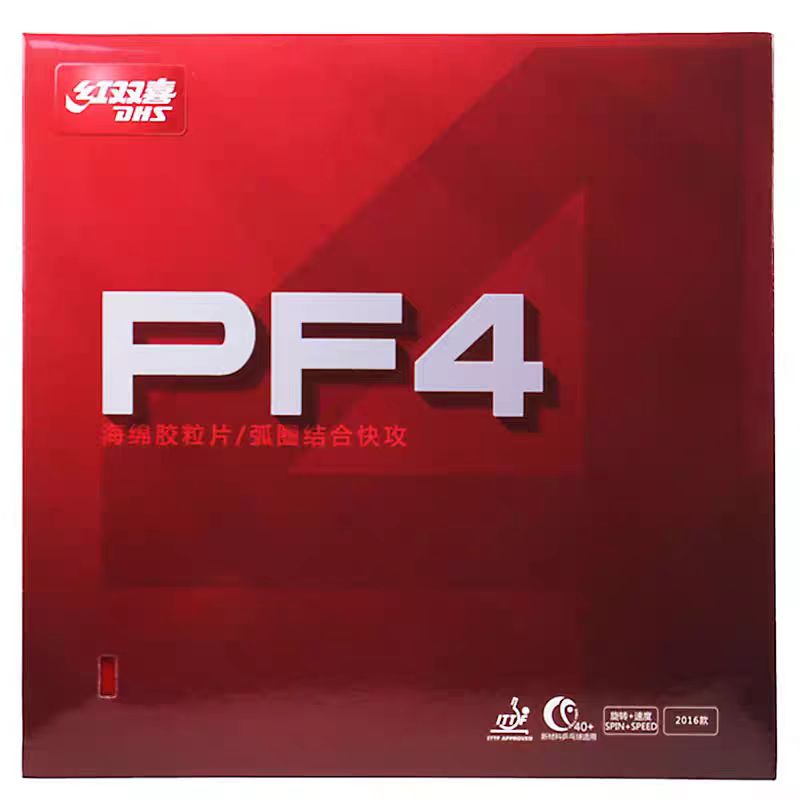 PF4 features a very tacky topsheet paired with a firm, traditional sponge, giving it a distinctly old-school Chinese rubber feel. The standout strength of PF4 lies in its spin production, especially on serves, pushes, and chops. The sticky topsheet grips the ball extremely well, allowing players to generate heavy backspin with ease. Its firm sponge provides a stable and predictable response, helping reduce unforced errors and improving consistency during rallies.
PF4 rewards proper technique and full strokes rather than explosive swings. The trajectory is controlled and relatively low, making it well-suited for placement-focused play. Blocking and passive shots are also very reliable due to the rubber’s low catapult effect.
PF4 features a very tacky topsheet paired with a firm, traditional sponge, giving it a distinctly old-school Chinese rubber feel. The standout strength of PF4 lies in its spin production, especially on serves, pushes, and chops. The sticky topsheet grips the ball extremely well, allowing players to generate heavy backspin with ease. Its firm sponge provides a stable and predictable response, helping reduce unforced errors and improving consistency during rallies.
PF4 rewards proper technique and full strokes rather than explosive swings. The trajectory is controlled and relatively low, making it well-suited for placement-focused play. Blocking and passive shots are also very reliable due to the rubber’s low catapult effect.
Double Fish Volant Phoenix
The Double Fish Volant Phoenix is a budget-friendly Chinese-style rubber that has gained popularity among beginners and recreational players looking for high spin at an affordable price. Known for its balance of performance and durability, it is often used on the backhand, but more advanced players also employ it on the forehand for controlled topspin attacks. Its accessible price point and user-friendly characteristics make it a common choice in clubs and training environments.
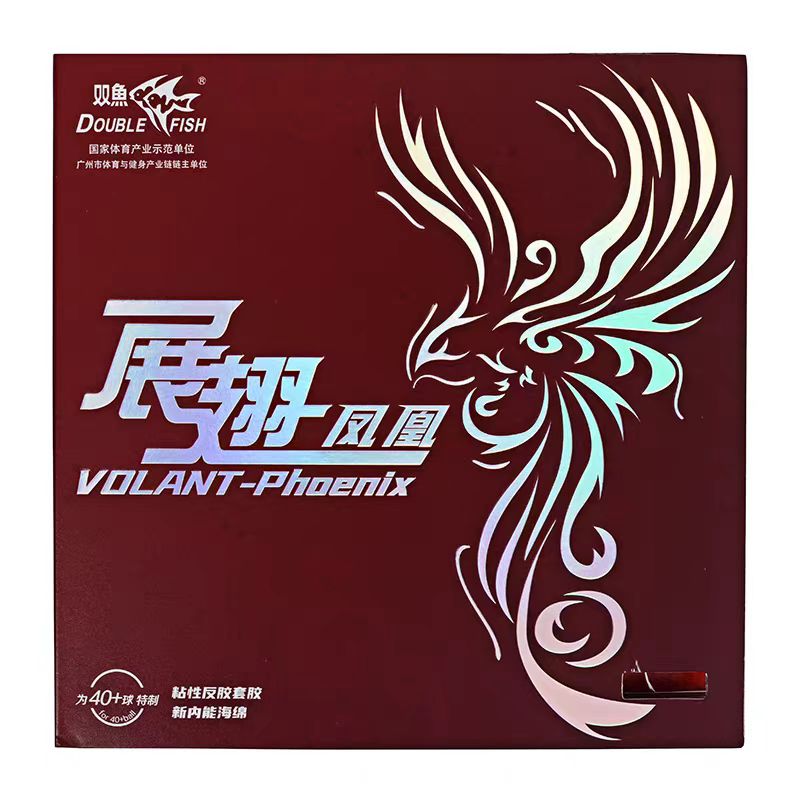
Volant Phoenix features a tacky topsheet combined with a medium-soft sponge, offering a classic “Chinese feel” without being overly sticky or hard to control. Compared to high-end tacky rubbers, it has moderate speed, emphasizing spin and control, which is perfect for players still refining their technique.
An important note is that the Volant Phoenix series actually includes two versions: Phoenix 1 and Phoenix 2. Personally, I prefer Phoenix 1, as it offers slightly more speed than version 2, making it more versatile for offensive strokes.
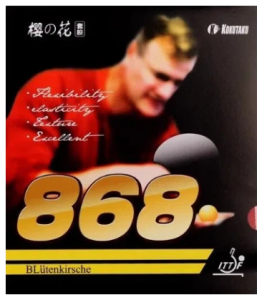
Kokutaku Blutenkirsche 868
Many players may not be very familiar with Kokutaku, but the brand actually produces a wide range of high value-for-money blades and rubbers. The Blutenkirsche 868 is one of their classic rubbers, offering performance comparable to the Yinhe Mercury II in terms of affordability. However, it has a slightly higher speed, more elasticity, and a firmer feel than Mercury II. So, if you find Mercury II a bit too soft, 868 is a great alternative.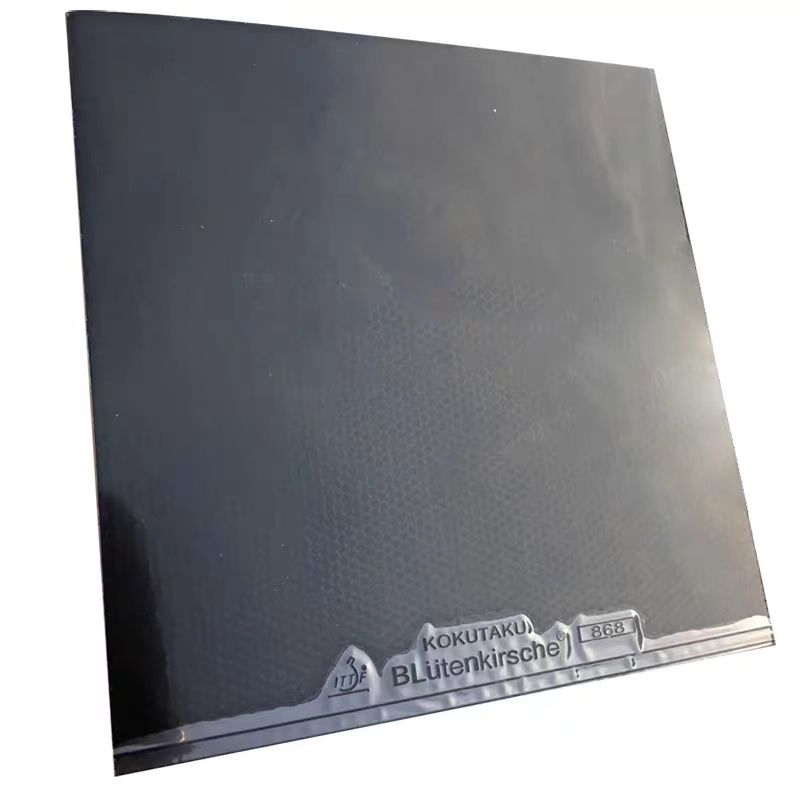 Blutenkirsche 868 features a semi-tacky, micro-textured topsheet, providing controlled friction and steady spin without being overly sticky. It allows players to generate consistent spin on serves, pushes, and loops while maintaining a stable ball trajectory, which is especially helpful for developing players.
The 868 sits in the medium range for speed and control, offering a smooth, elastic feel that is more predictable than many cheap tacky rubbers. Its topsheet grips the ball well, producing reliable spin, while the sponge provides enough responsiveness for controlled looping and attacking play. It performs well both close to the table and slightly further away, supporting a variety of tactical shots and placements.
Blutenkirsche 868 features a semi-tacky, micro-textured topsheet, providing controlled friction and steady spin without being overly sticky. It allows players to generate consistent spin on serves, pushes, and loops while maintaining a stable ball trajectory, which is especially helpful for developing players.
The 868 sits in the medium range for speed and control, offering a smooth, elastic feel that is more predictable than many cheap tacky rubbers. Its topsheet grips the ball well, producing reliable spin, while the sponge provides enough responsiveness for controlled looping and attacking play. It performs well both close to the table and slightly further away, supporting a variety of tactical shots and placements.
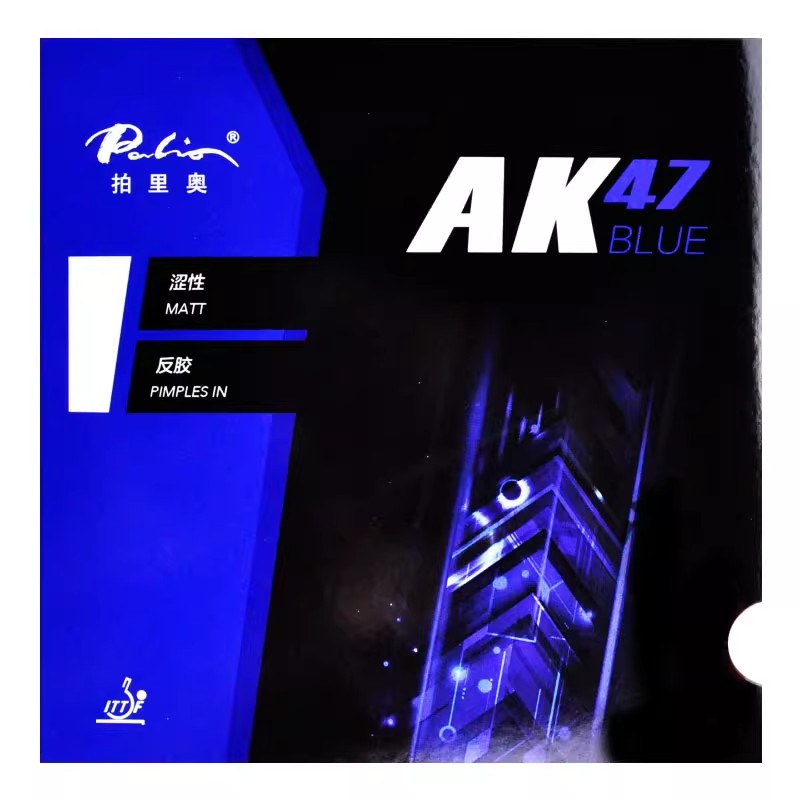
Palio AK47
We are now introducing another rubber from Palio: the AK47, an offensive series designed for players seeking more speed and power than typical beginner rubbers, without the high cost of premium options.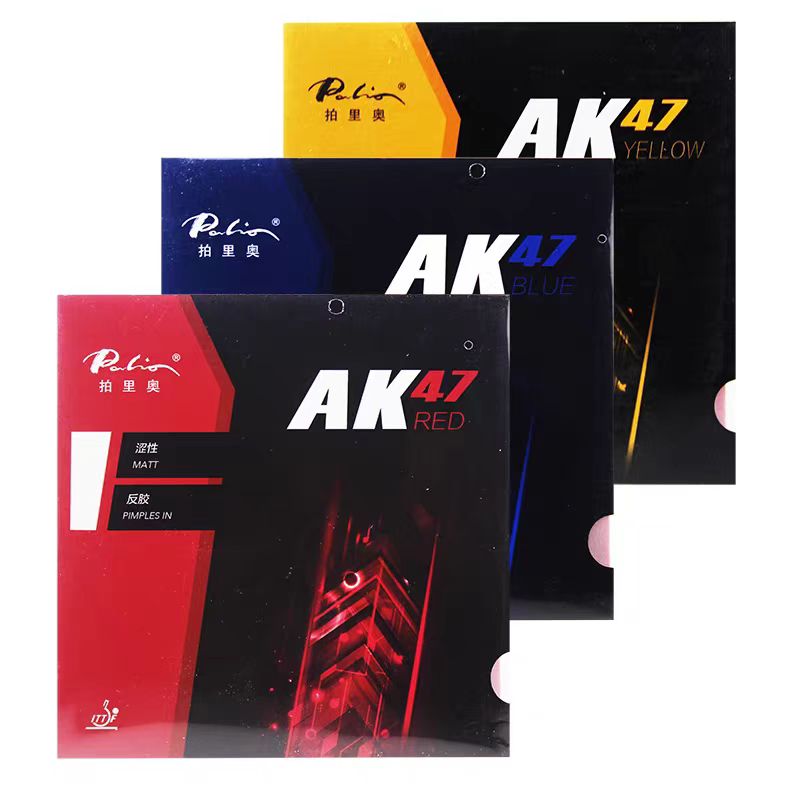
AK47 features a grippy matte topsheet and comes in several sponge variants, each with a slightly different performance profile:
-
Blue: Softer sponge, ideal for quick punch loops and flicks
-
Yellow: Balanced speed and bounce, versatile for both forehand and backhand
-
Red: Firmest and fastest, providing strong support for heavy loops and drives
AK47 excels in fast attack and loop play. Its matte, grippy surface allows for decent spin generation, while the sponge emphasizes speed and dynamic response. It performs particularly well in close-to-table exchanges, counter-drives, and quick offensive rallies, where its bounce and catapult effect help put pressure on opponents.
Control is slightly less forgiving compared with classic control-oriented rubbers, especially for beginners still mastering timing and technique. However, intermediate players and above will appreciate the lively, responsive feel that supports aggressive forehand and backhand strokes.
Sanwei Target National
We are now introducing another excellent option from Sanwei: the Target National, a hybrid Chinese-style rubber that combines classic tacky spin with European-style power and control for a well-rounded performance.
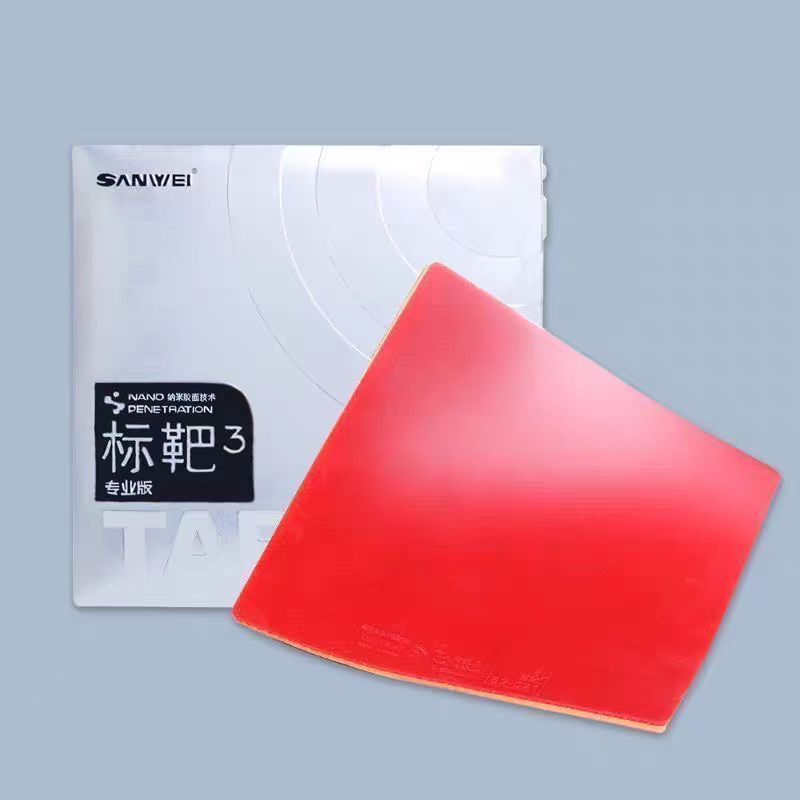
This rubber is suitable for both forehand and backhand use, offering versatility for all-around play. Target National comes in two sponge variants: orange sponge and blue sponge, with the blue sponge version being slightly more expensive. For most players, the orange sponge provides ample performance at a more affordable price.
It’s slightly more performance-oriented than basic budget rubbers, making it ideal for players who want a balanced offensive rubber without paying premium prices.
Target National features a moderately tacky topsheet paired with a medium-hard sponge, offering strong spin potential while remaining manageable for consistent play. This hybrid design allows players to generate reliable spin on serves, loops, and touch shots, while still enabling powerful offensive strokes when executed correctly.
Sanwei Target National delivers a balanced combination of spin, control, and linear power. The topsheet grips the ball well, allowing for dependable spin even on slower strokes, while the medium-hard sponge provides a responsive feel that rewards proper technique. The rubber maintains a stable trajectory with a medium-low throw angle, which helps sustain loop-to-loop rallies and precise placements.
Compared with traditional Chinese tacky rubbers like Hurricane 3, Target National is easier to handle and more predictable, making it well-suited for controlled offensive play. While it may not match the extreme explosiveness of modern European tensor rubbers, its spin-and-control balance makes it excellent for loop attacks, counter-loops, and dynamic topspin exchanges.
