
Blog
8 Long Pips Rubbers Named After Table Tennis Players

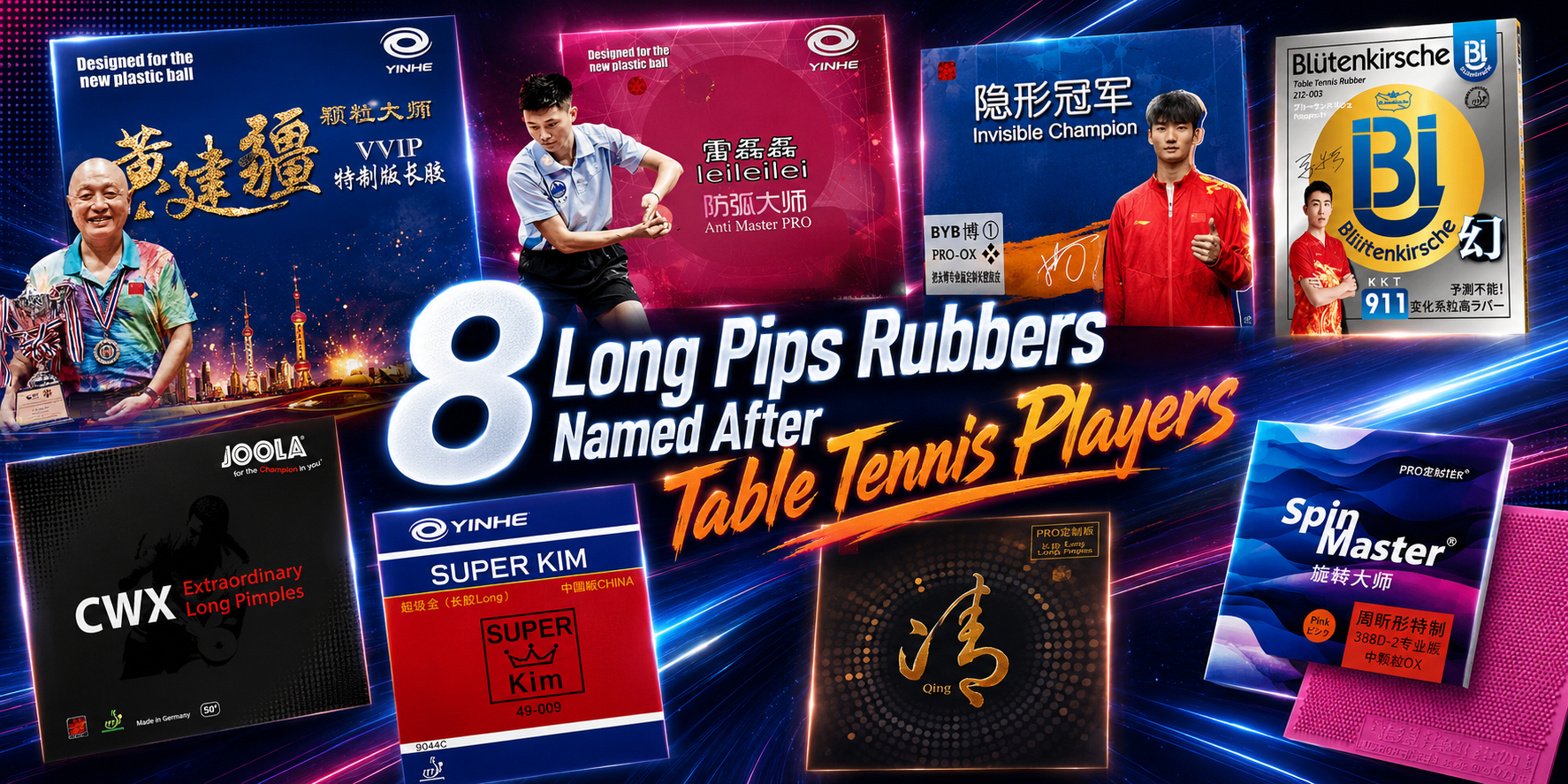
As a table tennis player, I think most of us have probably dreamed of having a blade or rubber named after us. Whether you’re a professional athlete or simply a passionate amateur, having your name attached to a piece of equipment is a remarkable honor and a sign that you’ve left a lasting mark on the sport.
Recently, while testing a variety of long pips rubbers, I noticed something quite interesting. In the world of inverted rubbers, equipment named after players is relatively uncommon. Many top stars, such as Tomokazu Harimoto, have their own signature blades, but very few have signature rubbers. The same is generally true for long pips specialists.
Even legendary defenders like Joo Se Hyuk have had multiple successful signature blades, such as the Butterfly Joo Se Hyuk and the Nexy Joo, yet there has never been a widely recognized long pips rubber bearing his name.
That makes the long pips market particularly fascinating. During my recent testing sessions, I came across several long pips rubbers that were actually named after famous players. Some of these rubbers have become classics, while others remain hidden gems known mainly among long pips enthusiasts.
In this article, I’ll introduce some of the most interesting long pips rubbers named after table tennis players, explore the stories behind their names, and discuss what makes each one unique.
Yinhe Master Huang Jianjiang VVIP
In fact, most table tennis fans outside of China have probably never seen his games. However, within the long-pips community, especially in Asia, Huang Jianjiang is a highly recognizable figure who has spent many years promoting and demonstrating long-pips techniques.
Known by many Chinese table tennis enthusiasts as the “Master of Long Pips,” Huang Jianjiang has spent decades promoting and developing long-pips techniques. While he is not a professional player in the traditional sense and has rarely appeared in major international competitions, his influence on the long-pips community is undeniable. Today, at nearly 80 years old, he remains active in local and amateur tournaments, continuing to demonstrate his skills and passion for the sport. For many older table tennis players, Huang Jianjiang serves as an inspiration and proof that age does not have to be a barrier to enjoying competitive table tennis.
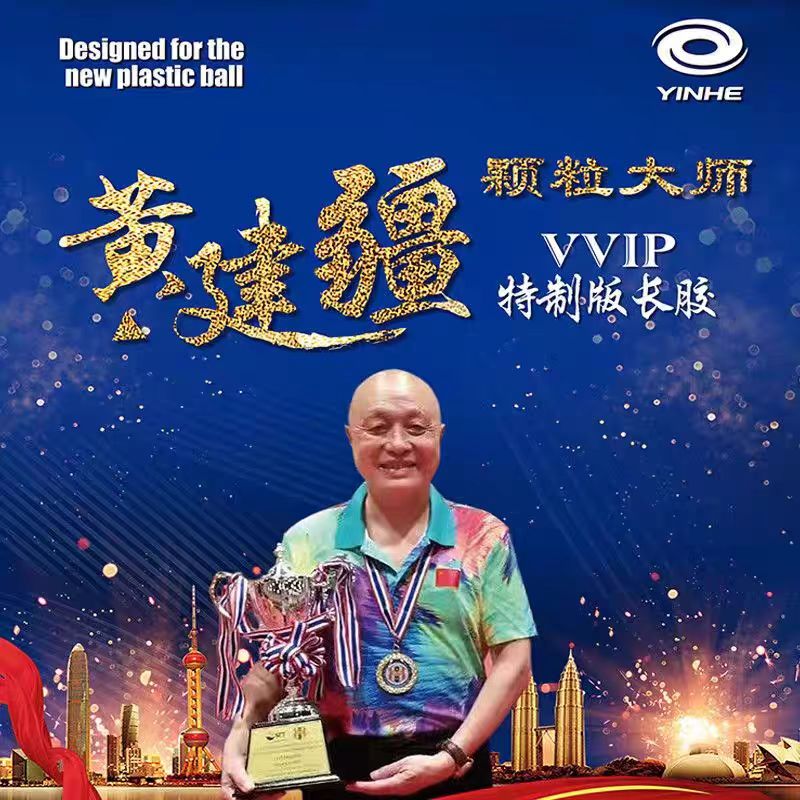
The popularity of the Yinhe Master Huang Jianjiang VVIP reflects his reputation. The rubber has become especially popular throughout Asia, where it is widely used by long-pips enthusiasts looking for a disruptive yet controllable style of play.
For many years, Huang Jianjiang was associated with the Kokutaku Huang Jianjiang 01, a long pips rubber that developed a loyal following among long-pips players. Later, Yinhe collaborated with him to create the Master Huang Jianjiang VVIP, a rubber designed to reflect the techniques and tactical philosophy that made him famous.
On the table, the VVIP offers many of the qualities long-pips players look for. It produces strong spin reversal, excellent control, and impressive stability in both blocking and defensive situations. The rubber is particularly effective at keeping the ball low and creating awkward returns that can disrupt an opponent’s rhythm. Whether used for passive blocking, chop-blocking, or variation play, it provides a high level of consistency and deception.
However, this long pips rubber has its drawbacks as well. The most common complaint among users is durability. The pips can be relatively fragile and may break after extended use, meaning players often need to replace the rubber more frequently than they would like.
Yinhe VIP Leileilei Anti Master Pro
The second rubber on this list is the Yinhe VIP Leileilei Anti Master Pro, a long pips rubber named after Lei Leilei.
Among long-pips enthusiasts in China, Lei Leilei is a very familiar name. Over the years, he has participated in numerous large-scale commercial table tennis events and exhibition tournaments, where his unique playing style and entertaining matches have attracted a great deal of attention. As a result, many long-pips players have become familiar with his name and playing style through videos and tournament coverage.
One of the reasons Lei Leilei stands out is his unique playing style. He uses a penhold blade with long pips on the forehand side, which is quite different from the more common setup of long pips on the backhand. As a result, many of his techniques differ from those typically used by backhand long-pips players. In addition to traditional blocking and disruption, he frequently attacks with the long pips, using quick wrist movements, sudden changes of pace, and creative placement to put opponents under pressure.
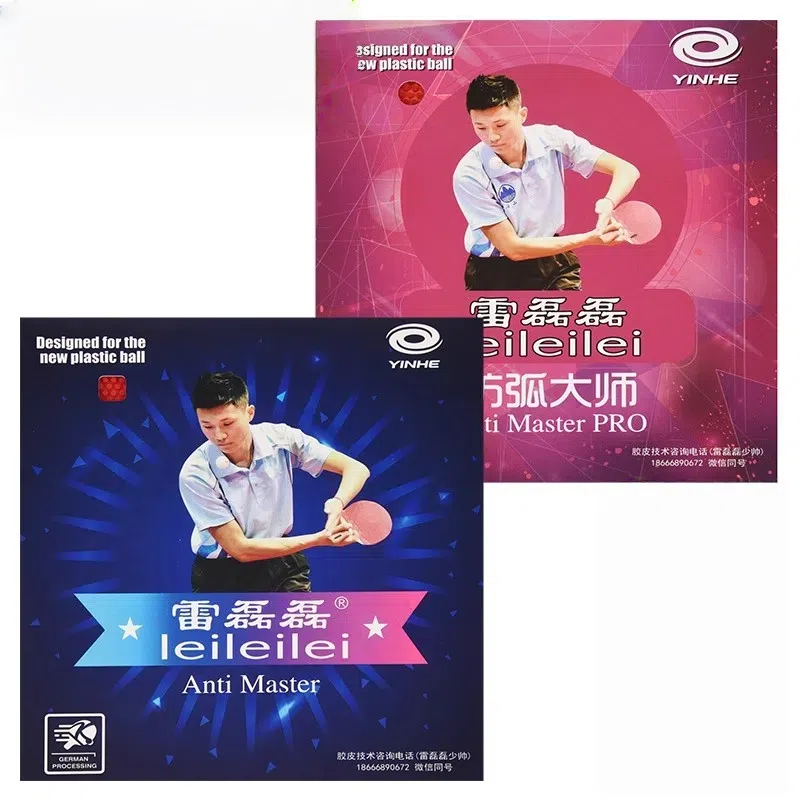
If you have ever watched videos of Lei Leilei in action, you will quickly notice how versatile his long-pips game is. He can switch seamlessly between defense and attack, making it difficult for opponents to predict his next shot. This flexibility has become one of the defining characteristics of his style.
Over the years, Yinhe has released several Lei Leilei-branded long pips rubbers. In fact, there are three main versions that most players are familiar with today. Fortunately, the easiest way to tell them apart is by their packaging colors, which are commonly referred to as the pink, blue, and green versions. Among them, the VIP Leileilei Anti Master Pro is by far the most popular and widely used.
In terms of playing characteristics, the Anti Master Pro shares many similarities with the Yinhe Master Huang Jianjiang VVIP discussed earlier. Both rubbers are known for their strong spin-reversal effect and are particularly effective for close-to-the-table blocking and disruptive play. Players who rely on chop-blocking, passive blocking, and variation will likely feel comfortable with either rubber.
One question I am frequently asked by readers and clients is: Which rubber is better—the Huang Jianjiang VVIP or the Leileilei Anti Master Pro? Unfortunately, there is no simple answer. After testing both extensively, I personally prefer the Huang Jianjiang VVIP. Its unique pip structure gives it a slightly different feel, and I find it a bit easier to use overall. However, I have also received feedback from many long-pips players who strongly prefer the Leileilei Anti Master Pro and consider it the better option for their game.
In reality, the two rubbers are more similar than different. Both are designed for players who want strong spin reversal, good control, and effective disruption close to the table. Choosing between them often comes down to personal preference, technique, and playing style rather than any major difference in performance.
SPINLOAD Ba Yongbo Special Invisible Champion
Among the current generation of long-pips players, Ba Yongbo is one of the few active players with a professional background and national team experience. Because of this, many long-pips enthusiasts regard him as one of the highest-level long-pips specialists still competing today. His technical skills, tactical awareness, and understanding of long-pips play are widely respected within the table tennis community.
Like Lei Leilei, Ba Yongbo is also a penhold player. His long pips are mounted on the forehand side of the blade, which allows him to combine traditional long-pips blocking techniques with a more aggressive style of play. This setup requires a different set of skills compared to the more common backhand long-pips approach and gives him the ability to create a wide variety of spin, placement, and rhythm changes during rallies.
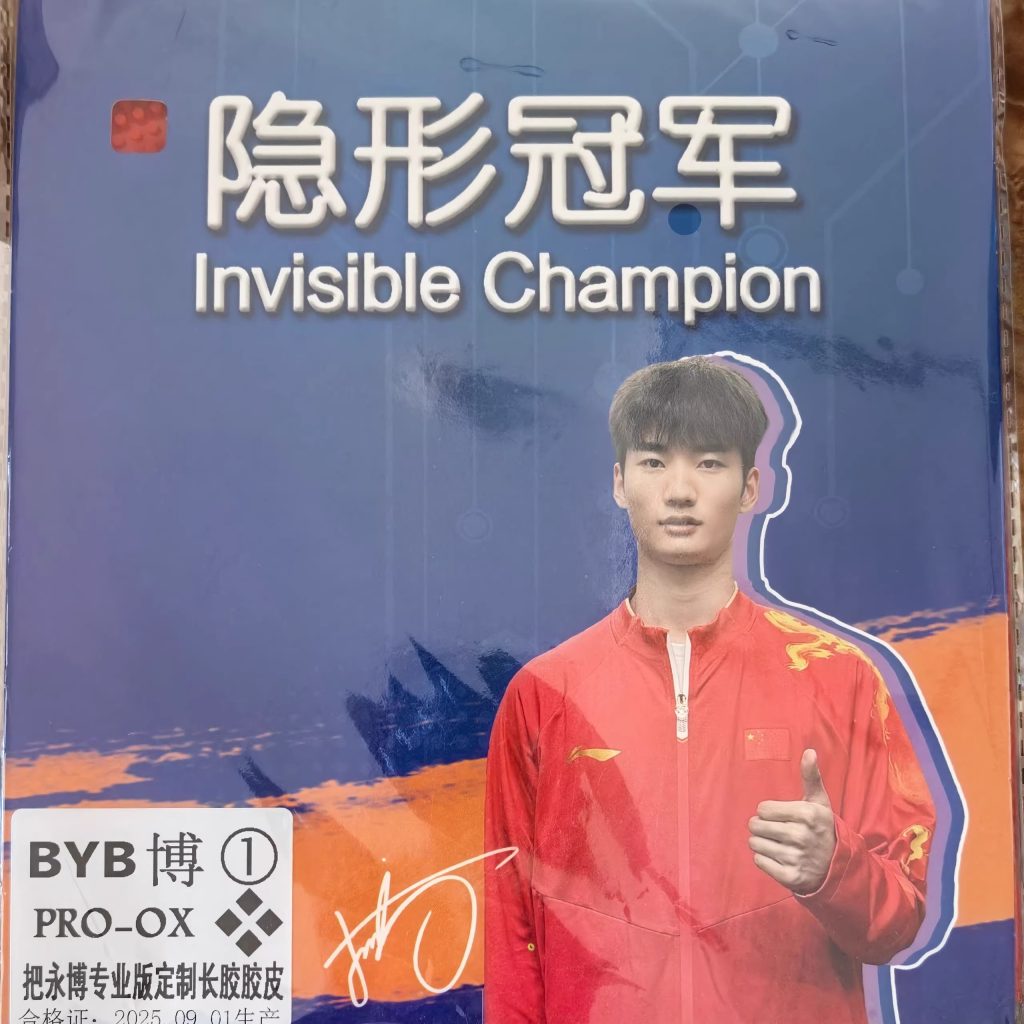
For long-pips enthusiasts, I strongly recommend watching Ba Yongbo’s match videos. His matches offer an excellent insight into high-level long-pips tactics, shot selection, and point construction. Whether you are a beginner or an experienced long-pips player, there is a great deal to learn from the way he combines disruption, control, and attacking opportunities throughout a rally.
The Ba Yongbo series has expanded over the years and currently includes three main versions: Ba Yongbo Special (often referred to as Bo 1), Bo 2, and Bo 3. While all three rubbers share a similar philosophy, the newer versions were developed as refinements of the original design. Compared with the first generation, Bo 2 and Bo 3 generally offer improved control and more balanced overall performance. However, I still consider the original version to be a classic and I still use it today.
The Ba Yongbo series has been released in both cured and non-cured versions over the years. Players can choose the version that best matches their playing style and preferences. For readers who are not familiar with the concept of cured long pips, I recommend reading our previous article on cured vs. non-cured long pips before continuing, as it will help you better understand the differences in performance and playing characteristics.
Dawei 388D-2 Spin Master Zhou Xintong’s Special Version
Like Ba Yongbo, Zhou Xintong is also a professional long-pips player with an exceptionally solid technical foundation. Watching Zhou Xintong compete is a great way to appreciate the full range of modern long-pips techniques. She combines control, spin variation, disruption, and attack with remarkable consistency and precision.
The Zhou Xintong Special is based on the popular Dawei 388D-2 Normal Version, which has long been regarded as one of the best budget friendly long pips rubbers on the market.
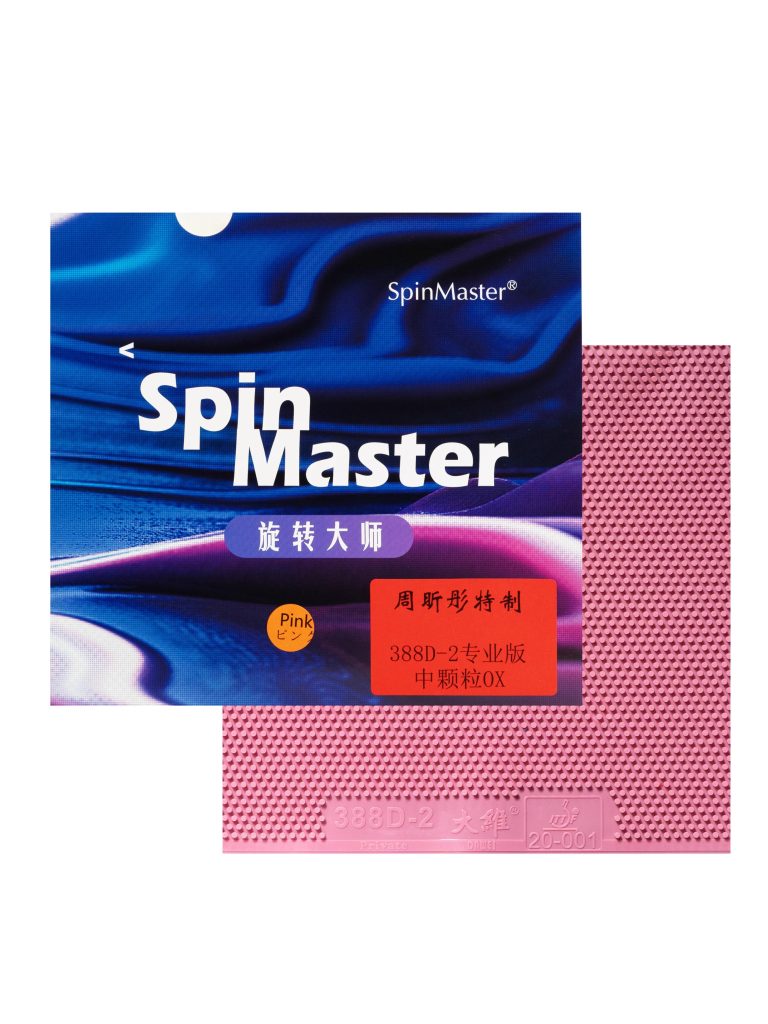
In fact, I am personally a big fan of the 388D-2 normal version, especially the 0.5 mm sponge version. The sponge feels very soft—almost like a cake sponge—and provides excellent ball feedback and control. As a defensive player myself, I particularly enjoy using the 388D-2 0.5 mm version for chopping, as it offers outstanding stability and consistency from mid and long distance.
The Zhou Xintong Special was developed to better reflect Zhou’s own playing style. Rather than focusing primarily on classical defensive chopping, it is designed for close-to-the-table play, where long pips are used to change the rhythm of the rally, create uncertainty, and open up attacking opportunities. This approach closely mirrors the way Zhou Xintong competes.
From my experience, this rubber is particularly well suited to active long-pips players who like to mix blocking, attacking, and spin variation. It performs very well in close-to-the-table exchanges and allows players to create a wide range of disruptive shots. However, if your game is based primarily on defensive chopping from a distance, I still feel that the standard 388D-2 normal version performs slightly better in that area.
Another interesting feature of the Zhou Xintong Special is the variety of colors available. Players can choose from blue, pink, or green sheets, which adds a bit of personality and makes the rubber stand out compared with more traditional long pips offerings.
Blutenkirsche KKT 911 (Ma Te)
Like some of the other players mentioned earlier in this article, Ma Te has a professional background and national team experience. However, unlike players such as Lei Leilei or Ba Yongbo, Ma Te is best known for his defensive style. His game is similar to that of defenders such as Joo Se Hyuk and Hou Yingchao, relying on consistent chopping, tactical variation, and well-timed counterattacks. His defensive technique is exceptionally solid, and one of the most impressive aspects of his game is the stability and quality of his chopping.
For long-pips enthusiasts, Ma Te’s match videos are definitely worth watching. His ability to control rallies, vary spin, and transition from defense to attack provides a great example of modern defensive table tennis at a high level.
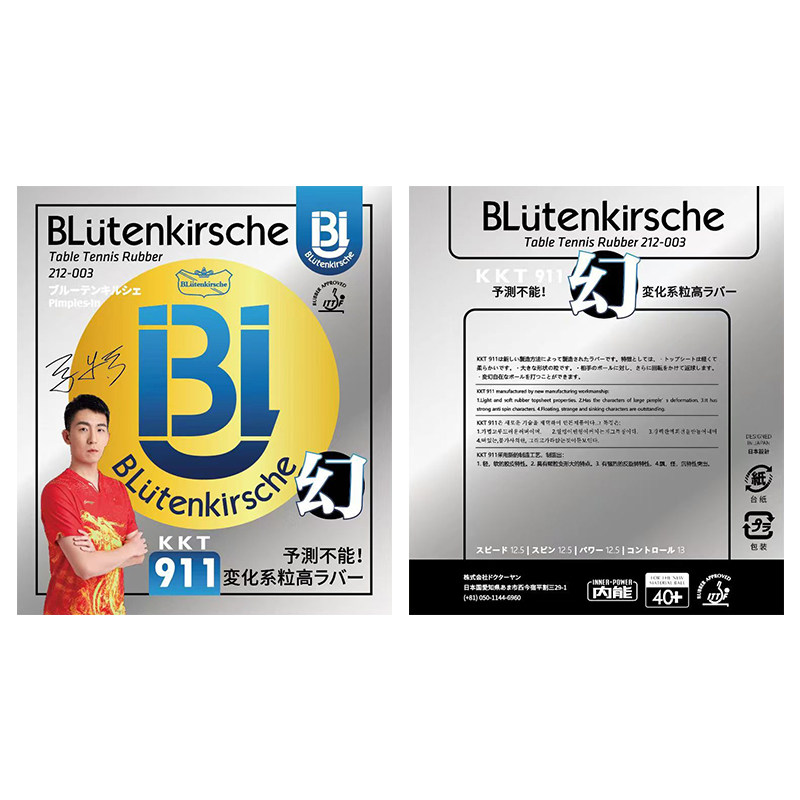
When it comes to the equipment itself, the Blutenkirsche brand has produced a number of highly regarded long pips rubbers and defensive blades over the years. The KKT 911 was already a familiar name among long-pips players before this release. However, Blutenkirsche decided to redesign and further develop the rubber, giving it a completely refreshed identity with new packaging and updated branding. As part of this project, the company collaborated with Ma Te and launched a special version carrying his name, which was subsequently approved by the ITTF.
In terms of performance, the Ma Te version retains many of the characteristics that made the original KKT 911 popular while offering a feel that is better suited to modern defensive play. Personally, I particularly like the 1.0 mm sponge version. It performs exceptionally well for chopping, providing excellent control and stability from mid-distance. At the same time, it remains surprisingly effective close to the table, making it a versatile option for defenders who occasionally need to step in and take the initiative.
What I appreciate most about this rubber is its balance. It is capable of producing strong defensive returns while still allowing players to attack when opportunities arise. In many ways, that reflects Ma Te’s own playing philosophy—a defender first, but always ready to counterattack when the moment is right.
JOOLA CWX
The JOOLA CWX is another interesting addition to this list of long pips rubbers named after table tennis players. The rubber was developed in cooperation with Chen Weixing, one of the most successful defensive players of his generation and a longtime representative of Austria on the international stage.
Unlike many long-pips specialists who rely primarily on passive disruption, Chen Weixing became famous for his aggressive defensive style. His game combined heavy chopping, exceptional footwork, and powerful forehand attacks. Throughout his career, he consistently demonstrated how modern defensive players could remain dangerous even when playing several meters away from the table.
For long-pips enthusiasts, Chen Weixing’s matches are a valuable learning resource. His ability to vary spin, placement, and depth while maintaining remarkable consistency is something every defender can study and learn from. Even today, many players consider him one of the best examples of a modern chopper.

The JOOLA CWX was designed with this style of play in mind. Compared with many close-to-the-table long pips rubbers, it is better suited to players who enjoy classical defensive techniques, particularly chopping from mid and long distance. The rubber offers excellent control and stability, allowing defenders to return heavy topspin with confidence while maintaining a high level of consistency.
What makes the CWX particularly appealing is its balance between defensive security and attacking potential. While it excels in chopping situations, it still provides enough control for pushing, blocking, and occasional attacking strokes when opportunities arise.
A funny thing about the JOOLA CWX is that there is also a defensive blade with exactly the same name. Both the blade and the long pips rubber were named after Chen Weixing. I remember being quite confused when I first heard people talking about the “JOOLA CWX.” Sometimes they were referring to the blade, and other times they meant the long pips rubber. It took me a while to realize that JOOLA had actually used the same name for both products.
Yinhe Super Kim
The Yinhe Super Kim is generally associated with Kim Song-i, one of the most successful North Korean table tennis players in recent decades. She gained worldwide recognition at the 2016 Rio Olympic Games, where she captured the women’s singles bronze medal after a series of impressive performances against some of the world’s top players. Her success helped bring renewed attention to defensive table tennis and demonstrated just how effective a well-executed defensive style can be at the highest level.
While many table tennis fans may not be very familiar with North Korean players, largely because they appear less frequently on the international circuit, their technical level should not be underestimated. North Korean athletes are often known for their disciplined training, solid fundamentals, and excellent defensive skills. Kim Song-i is a perfect example of this tradition.
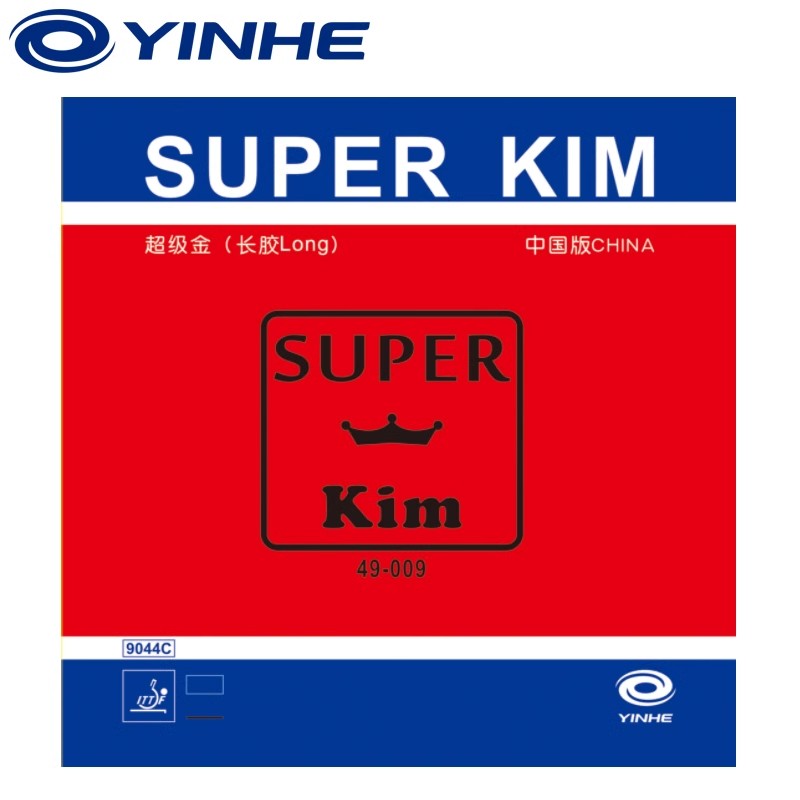
Over the years, Yinhe has maintained a close relationship with a number of North Korean players, developing custom blades and rubbers tailored to their specific playing styles and requirements. Some of these products have developed an excellent reputation among long-pips enthusiasts and remain popular today.
The Super Kim is one of the most classic examples. In terms of performance, it offers strong spin reversal, excellent stability, and a very high level of control. What stands out most to me, however, is its performance close to the table. The rubber excels in short-range defensive situations, allowing players to block, absorb pace, and disrupt an opponent’s rhythm with remarkable consistency.
Yinhe Qing Pro
The final rubber on this list is the Yinhe Qing Pro, a long pips rubber named after Chinese defender Chen Qing.
For long-pips enthusiasts, Chen Qing is a familiar name thanks to her successful career as a defender and her distinctive style of play. She was known for her defensive style, outstanding consistency, and exceptional ability to combine long-pips defense with timely attacks. Like many elite defenders, she was not content with simply returning the ball. Instead, she constantly looked for opportunities to change the rhythm of the rally and launch attacks whenever her opponent left an opening.
The name “Qing” comes directly from Chen Qing’s surname, making this one of the clearest examples of a long pips rubber being named after a professional player. Over the years, the Qing series has become one of Yinhe’s most recognizable long-pips product lines.
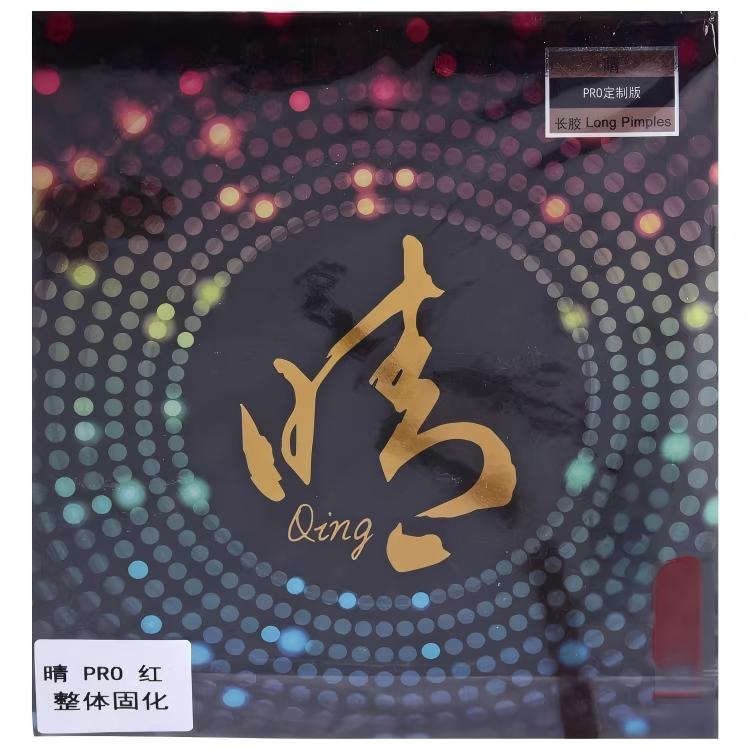
Today, there are three main versions available on the market: the original Yinhe Qing, the Qing Pro, and the Qing Pro Soft.
The original Qing can be considered the standard version. It is an affordable long pips rubber that offers excellent value for money and is often compared to classics such as the Dawei 388D-1 and 388D-2. In terms of price, performance, and overall playing characteristics, they occupy a very similar position in the market. For beginners or players on a limited budget, the standard Qing remains a practical and reliable option.
The Qing Pro is a more specialized version and is available only as a cured rubber. Unlike some long pips that use partial treatment methods, the Qing Pro features full-pip curing, meaning the entire pip structure undergoes the curing process. The pips are approximately 1.9 mm in height, and the resulting playing characteristics emphasize disruption, stability, and control.
The third version, the Qing Pro Soft, takes a different approach. It is also available only in a cured version, but instead of full-pip curing, it uses top-cured technology. In other words, only the tops of the pips are treated, while the rest of the pip structure remains closer to the original rubber. As a result, the pips retain a softer and more flexible feel. The pips are also slightly longer, reaching approximately 2.1 mm after treatment. Because of these structural differences, the Qing Pro Soft plays noticeably differently from the standard Qing Pro.
Having tested both versions, I personally prefer the Qing Pro. The fully cured pip structure gives me a more solid and predictable feeling during play, especially when blocking and controlling the pace of the rally. While some players may prefer the softer feel and additional flexibility of the Qing Pro Soft, I find the standard Qing Pro to be the more complete package overall.
One thing that stands out about the Qing series as a whole is its versatility. Whether chopping, blocking, pushing, or varying spin and placement, these rubbers offer a balanced combination of control and disruptive effect. Rather than focusing solely on maximum spin reversal, they provide a level of consistency that many long-pips players appreciate in real match situations.
