
Blog
How to Play Against Short Pips: Strategies for Success in Your Games


Facing an opponent with short pips can be a real challenge, especially if you’re used to dealing with inverted rubber. While the ball may come at you quickly, it doesn’t kick forward as much, which means you need to adjust your positioning and timing. Staying calm and not backing off the table too much is crucial. Instead, give yourself just enough space to react effectively.
Short pips players excel at controlling the game from close to the table, making it essential to understand how to counter their unique style. They generate less spin, so relying solely on the pace of the ball won’t work. Instead, I’ve found that attacking with heavy spin or precise placements can disrupt their rhythm. In this article, I’ll share strategies that have helped me navigate the complexities of playing against short pips effectively.
Introduction
Playing against opponents who use short pips rubber presents unique challenges, especially for those accustomed to inverted rubber. Adjustments in positioning and timing become crucial. Staying calm at the table prevents unnecessary retreats that can hand control to the opponent.
Short pips players excel in dominating exchanges close to the table and generate less spin. Relying solely on ball pace typically proves ineffective. Instead, focusing on attacking with heavy spin or precise placements effectively disrupts their rhythm. I’ll share effective strategies for navigating these complexities in the remainder of the article.
Introduction to Short Pips
Short pips rubber presents unique challenges and opportunities for players. Understanding its structure, function, and related advantages and disadvantages can enhance competitive strategies.
Structure and Function of Short Pips
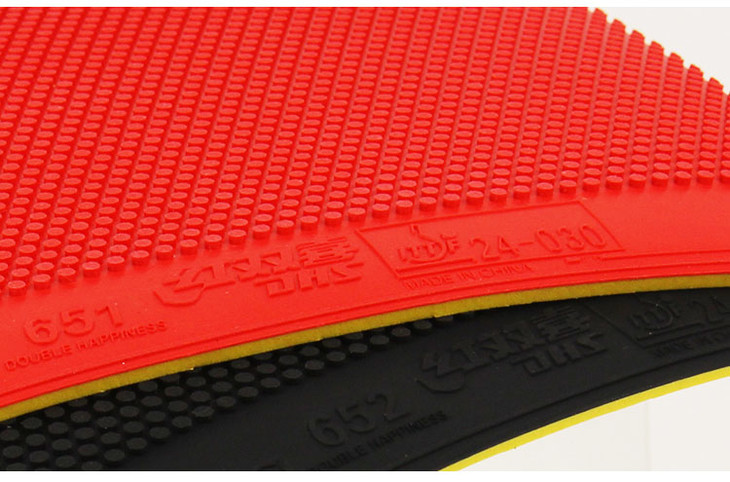
Short pips rubber consists of a smooth surface with short, rigid pips. These pips limit ball spin but enhance control over speed and placement. Players commonly use a drive stroke rather than a looping motion, emphasizing strokes hit on the rise or at the top of the bounce. This technique allows short pips players to deliver quick, powerful shots, making them formidable opponents, particularly at the table.
Advantages of Short Pips
Short pips provide several advantages for players. Their ability to create flat trajectories enables faster exchanges and reduces reaction time for opponents. Players enjoy higher levels of control, allowing precise placements. Since short pips do not generate as much spin as inverted rubbers, they often become less affected by opponents’ spin variations. This aspect allows for a simpler racket angle management, although it requires accuracy in shot execution.
Disadvantages of Short Pips
Despite their strengths, short pips carry disadvantages. They limit heavy spin production, which can make it harder to create unpredictable shots. The shorter pop from these rubbers offers fewer angles for deception. If players misjudge an angle, they cannot compensate with heavy spin, leading to a lower margin for error. Players relying solely on short pips may miss opportunities for spin-based tactics, thus requiring a solid understanding of positioning and timing to maximize effectiveness against various opponents.
Current Players Using Short Pips
Players using short pips excel at fast, powerful exchanges close to the table. Some notable current players employ this technique effectively:
Mima Ito
Mima Ito, born on October 21, 2000, in Iwata, Japan, is a distinguished Japanese table tennis player recognized for her aggressive play and innovative techniques. She gained international prominence at 15 by securing a bronze medal in the Women’s Team event at the 2016 Rio Olympics. At the 2020 Tokyo Olympics, Ito achieved historic success, winning gold in the inaugural mixed doubles event with Jun Mizutani, silver in the women’s team event, and bronze in women’s singles.
Ito’s playing style is notable for her use of short pips on the backhand, enabling fast, flat smashes and unique serves. Her creativity and willingness to innovate have been praised by experts, making her a formidable opponent on the international stage. Notably, she has a strong track record against top Chinese players, often considered the dominant force in table tennis.

Wang Zengyi
Wang Zengyi, born on June 24, 1983, in Tianjin, China, is a Chinese-born table tennis player who has represented Poland in international competitions. He participated in the 2012 Summer Olympics as part of the Polish national team. As of August 2016, Wang was ranked number 46 in the world.
Known for his penhold grip and defensive playing style, Wang has been a prominent figure in European table tennis circuits. He has competed in various international tournaments, including the ITTF World Tour and European Championships, contributing significantly to Poland’s presence in the sport.
In addition to his playing career, Wang has been involved in coaching and mentoring young table tennis talents in Poland, sharing his extensive experience and expertise to develop the next generation of players.
Is Short Pips Dead?
Short pips are not dead; they remain a relevant option in table tennis. Their unique properties still provide players with an edge when utilized effectively. Many top players continue to use short pips, demonstrating its viability at the highest levels of competition.
Short pips excel in specific scenarios, particularly in fast-paced exchanges where control and placement are crucial. The ability of short pips to minimize spin sensitivity allows players to counter various spin techniques. For instance, defending against heavy topspin becomes easier with faster strokes and immediate responses.
Moreover, recent advancements in rubber technology have enhanced short pips’ effectiveness. New materials and designs improve speed and control, making it easier to execute quick attacks. These innovations have revitalized interest in short pips among both amateur and professional players.
Despite perceptions of decline, short pips maintain a niche in strategy and playstyle. Their strengths are particularly useful against spin-heavy opponents. By targeting rhythm disruption and altering ball trajectories, short pips players can gain a competitive advantage.
Short pips aren’t just surviving; they thrive through adaptability and innovation in the ever-evolving landscape of table tennis. Understanding their role and impact remains crucial for players looking to diversify their techniques.
How to Beat Offensive Short Pip Player
To effectively combat an offensive short pip player, it’s crucial to analyze and adapt to their style. Understanding their approach and adjusting my tactics can significantly impact match outcomes.
Understanding Your Opponent’s Style
Gaining a deep understanding of your opponent’s playing style is fundamental to devising an effective strategy. By carefully observing their technique, I can anticipate their moves and adapt my game plan accordingly. For instance, players who operate as close-to-the-table attackers tend to engage in rapid exchanges and execute aggressive, powerful drives off the bounce.
Their game is built on quick reactions and high-intensity rallies. In contrast, mid-range controllers use short pips to manage spin and maintain a steady rhythm, often relying on precise placements and controlled variations in pace. Adopting a varied game that challenges both these styles forces the opponent to continuously adjust their approach, thereby creating opportunities to exploit any emerging weaknesses.
Equally important is discerning the grip style of your opponent, whether they favor the penhold or shakehand approach when using short pips. Penhold players are known for their quick wrist movements and the ability to create tight, sharp angles, placing a premium on speed and accurate placement.
Meanwhile, shakehand players generally exhibit a more versatile attack, seamlessly transitioning between defensive and offensive plays. By identifying which grip your opponent uses, you can tailor your tactics to target specific vulnerabilities, ensuring that your strategy remains both adaptive and precise.

Serving Strategies
An effective serve is the cornerstone of a successful game plan, setting the tone for the entire match and dictating the flow of rallies. I focus on mastering a dual approach that emphasizes both spin and placement variations. Recognizing that short pips players inherently exhibit a lower sensitivity to spin, I take advantage of this by incorporating a diverse range of spin variations into my serves.
Whether it’s a serve laden with heavy topspin, a serve with subtle sidespin, or even one that minimizes spin entirely, each variation is designed to disrupt the opponent’s timing and force them into uncomfortable returns. This manipulation of spin not only confuses the short pips player but also creates the ideal conditions for launching an aggressive follow-up shot.
Equally crucial is the strategic placement of the serve. Rather than relying solely on spin, I aim to target different areas of the table to keep my opponent guessing. Serving short, deep, or wide forces the opponent to continually adjust their positioning, effectively breaking their rhythm and reducing their ability to launch a consistent counterattack.
This unpredictability in serve placement often results in awkward returns, thereby providing me with the opportunity to seize control of the rally from the very first stroke. By combining these elements—diverse spin variations with precise, strategic placements—I create a multifaceted serve that challenges the inherent limitations of short pips play and lays the foundation for a successful match.
Returning Against Short Pips
Returning serves and shots effectively is fundamental in limiting my opponent’s attacking opportunities when facing a short pips player. These opponents typically deliver quick, low-spin returns that demand precision and a well-thought-out strategy on your part. By focusing on an early read of the ball’s trajectory, you can position yourself optimally and prepare for a counterattack that disrupts their rhythm. A solid return not only neutralizes the opponent’s initial offensive but also sets you up for taking control of the rally.
When executing your returns, the key is to maintain a balance between defensive solidity and offensive readiness. You need to choose strokes that are low and deep, reducing the available space for your opponent to launch an aggressive follow-up shot. This strategy minimizes the chance of giving them an easy opportunity to seize the initiative, forcing them instead to work for every point.
Avoid giving easy attacking opportunities
Short pips players thrive on quick, aggressive attacks, and any lapse in your return can provide them with a golden opportunity to dominate the rally. To counter this, it is essential to maintain consistency in your returns and avoid high-risk, overly aggressive shots that could backfire. By keeping your returns low and deep, you effectively force your opponent to generate power on their own, often leading to less effective drives.
This approach not only diminishes their attacking options but also places you in a defensive posture that can later be converted into an offensive advantage. Consistency is key; by limiting unforced errors and maintaining tight control over your shots, you compel the short pips player to continually adapt, ultimately reducing their capacity to exploit quick transitions.
Techniques for handling long pushes from short pips
Handling long pushes from short pips players requires a blend of quick footwork and adaptive stroke techniques. When confronted with a long push, the first step is to commit to a quick step-in, positioning yourself in a way that minimizes the distance between you and the ball. This proactive movement allows you to take the initiative rather than being forced into a reactive stance.
Once you’re in position, employing a hybrid stroke becomes crucial. Transitioning seamlessly from a drive into a loop lets you adjust your tempo on the fly. The drive element helps you meet the ball with authority, while the loop adds a layer of spin and control that can neutralize the opponent’s flat, fast pushes.
Maintaining a compact stroke during this transition is essential; it not only keeps you balanced but also ensures that you remain in control of the rally without overextending, thereby reducing the risk of errors.
How to react to short pips pushes and flicks
Reacting effectively to pushes and flicks from a short pips opponent hinges on quick, agile footwork and precise paddle control. These shots are designed to be fast and unpredictable, so staying alert and maintaining an active stance is crucial.
When you encounter a push or flick, focus on keeping your paddle face firm and correctly angled. This helps you absorb the ball’s momentum and redirect it with accuracy.
By using a controlled flick or a decisive fast hit, you can catch your opponent off guard and turn the momentum of the rally in your favor. The key is to engage with their shot early, before they have the chance to settle into a comfortable rhythm.
This approach not only disrupts their timing but also creates openings for you to launch a counterattack, capitalizing on any missteps or less favorable positions they may be forced into. Consistent practice of these techniques will enhance your reaction time and overall effectiveness when facing the rapid returns typical of short pips play.

Tactical Choices in Rallies
When facing a short pips player, tactical choices in rallies significantly impact the outcome of the game. Once the rally is underway, the tactical choices you make can dictate the flow of the game against a short pips player. Given their propensity for fast, flat returns, it is essential to quickly assess the situation and select your shots with precision.
Maintaining control over the pace of the rally is another vital element. A mix of deep, well-placed shots forces your opponent to constantly adjust their positioning, disrupting their timing and rhythm.
Incorporating changes in tempo—alternating between rapid exchanges and slower, more controlled placements—can unsettle a short pips player who thrives on consistency and predictability.
This tactical flexibility, combined with precise shot selection and smart positioning, empowers you to dictate the flow of the match, create openings, and ultimately convert pressure into scoring opportunities.
Offensive Strategies
Early Ball Reading
Early ball reading is an essential component of my strategy against short pips players. Because these opponents tend to produce fast, relatively low-spin returns, I concentrate on detecting the ball’s trajectory as soon as it leaves their paddle. By focusing intently on the initial speed and angle, I can quickly determine the likely path of the ball.
This early recognition allows me to adjust my positioning on the fly, ensuring that I’m optimally placed to launch a swift counterattack. The ability to read the ball early not only enhances my defensive preparedness but also enables me to identify and exploit any weak points in the opponent’s return, turning their rapid play into a tactical liability.
Using Heavy Spin Loops
A central element of my offensive approach is the use of heavy spin loops. By generating a significant amount of topspin, I force the short pips player into a position where they must constantly modify their stroke to handle the unexpected spin. Short pips rubber typically struggles with heavy spin, which makes it difficult for the opponent to maintain control over the ball.
This heavy spin disrupts their rhythm and often leads to mis-hits or errors, as they are compelled to adjust mid-stroke. Additionally, the pronounced topspin opens up a variety of attacking angles, allowing me to follow up with aggressive shots that further pressure the opponent and dictate the pace of the rally.
Changing Pace
Changing the pace of my shots is another vital tactic when facing short pips players. I deliberately alternate between fast, aggressive shots and slower, more controlled strokes to keep the opponent off balance. This variation in speed prevents them from settling into a comfortable, predictable rhythm and forces continuous adjustments in their positioning and stroke execution.
The unpredictable pace not only disrupts their timing but also creates opportunities for me to capitalize on any mistakes they make. By consistently mixing up the speed of my shots, I turn the opponent’s reliance on a steady pace into a strategic disadvantage, opening up chances for powerful, decisive attacks.
Defensive and Counter Strategies
Targeted Placement
I focus on targeted placement to force the opponent into awkward transitions. By targeting the corners or the middle, I create challenging scenarios for the short pips player, often resulting in weak returns that I can capitalize on.
Keeping Returns Low
I make a concerted effort to keep my returns low, reducing the attacking quality of short pips. Low balls require the player to exert more effort, leading to potential errors in their aggression. This tactic allows me to maintain control during rallies.
Occasional Lobbing
I incorporate occasional lobs into my strategy, knowing that short pips struggle with lifting spinny balls. These surprise shots can create openings for me to regain the offensive position, catching my opponent off guard and leveraging their limitations.
Training Methods for Improvement
Training against short pips players involves targeted drills and a solid match mindset. Focusing on specific techniques helps improve both strategy and execution.
Drills for Facing Short Pips Players
When facing opponents who use short pips, it is crucial to develop a training regimen that prepares you for the rapid, low-spin returns characteristic of their play. One effective approach is to incorporate multi-ball training sessions where a coach or training partner feeds balls at varying speeds, trajectories, and with minimal spin. These sessions simulate match conditions and sharpen your ability to quickly read and react to the ball’s direction.
In addition to multi-ball drills, counter-attack exercises that emphasize early anticipation of the ball are invaluable. Practicing quick transitions from defense to offense helps you handle the unexpected pace and flat returns typical of short pips play. Focusing on developing touch shots—such as controlled pushes, flicks, and blocks—enhances your precision and enables you to exploit any openings created by your opponent’s style.
Equally important are drills centered on footwork and positioning. Regular lateral movement and agility exercises ensure you’re always in the optimal position to counter fast, unpredictable shots. This comprehensive training approach not only improves your technical skills but also builds the confidence needed to perform under match pressure.

Mindset and Match Strategy
Developing the right mindset and match strategy is as critical as physical preparation when facing a short pips opponent. Maintaining composure throughout the match is paramount, as the rapid, disruptive returns can easily unsettle your rhythm. Staying calm and focused allows you to rely on your training rather than reacting impulsively, ensuring that you remain in control even when the pace intensifies.
Observation plays a key role in your strategy. Early in the match, carefully note your opponent’s tendencies—such as their favored return directions and attacking patterns—and adjust your shot selection and positioning accordingly. Flexibility is essential; be prepared to alternate between offensive and defensive tactics depending on the flow of the game. By maintaining a consistent, error-free play style, you force your opponent to take risks, gradually creating opportunities for you to gain the upper hand.
A positive and resilient attitude further reinforces your overall strategy. Confidence in your own abilities, combined with patience and tactical adaptability, empowers you to turn challenging situations into advantages. Integrating these mental strategies with your physical drills results in a balanced game plan that significantly enhances your chances of success against short pips players.
Final Thoughts
Playing against short pips can be a challenging yet rewarding experience. By understanding their unique characteristics and adapting my strategy accordingly, I can gain an edge in matches. It’s crucial to stay focused and maintain control over my positioning and timing.
Using heavy spin and precise placements can effectively disrupt their rhythm. Practicing specific drills and maintaining composure during play helps me enhance my performance against these opponents.
Finally, embracing the nuances of short pips allows me to diversify my game and become a more versatile player. With the right approach and mindset, I can turn the tables and make the most of every match.
