
Blog
Top 10 Cheapest but Surprisingly Good Table Tennis Blades (Part 1) – Under $30

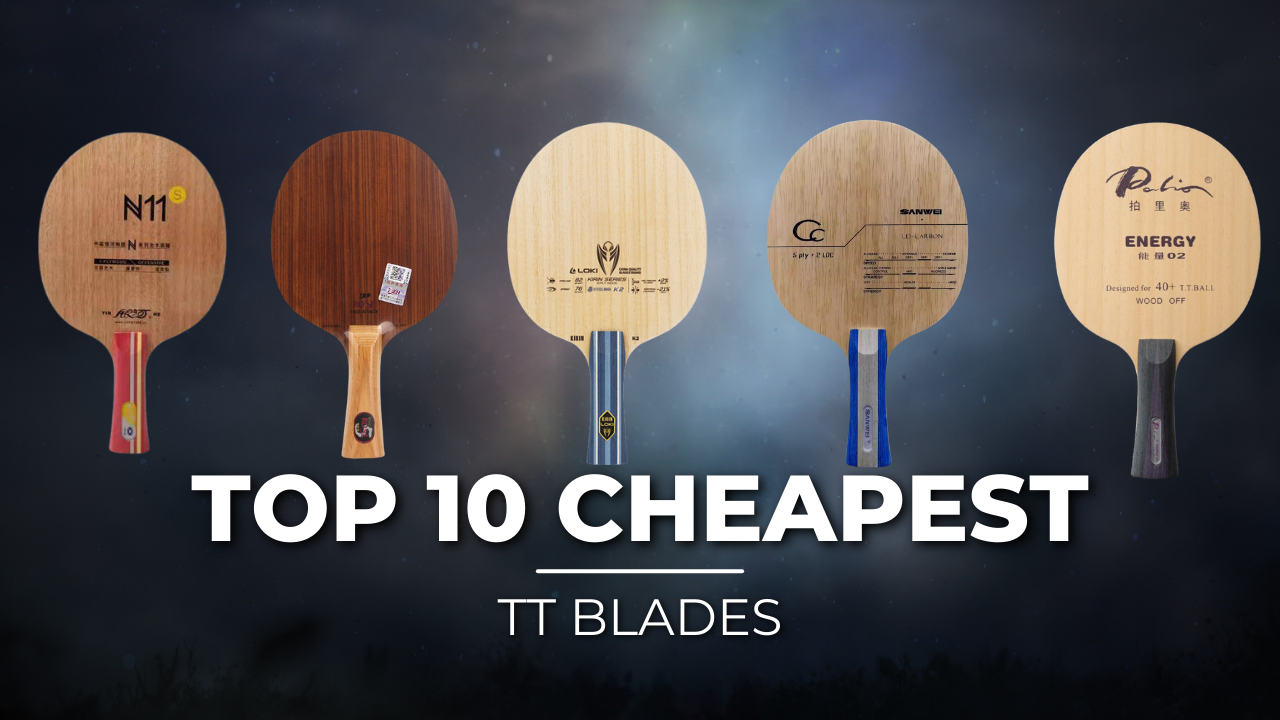
| Image | Product | Features | Price |
|---|---|---|---|
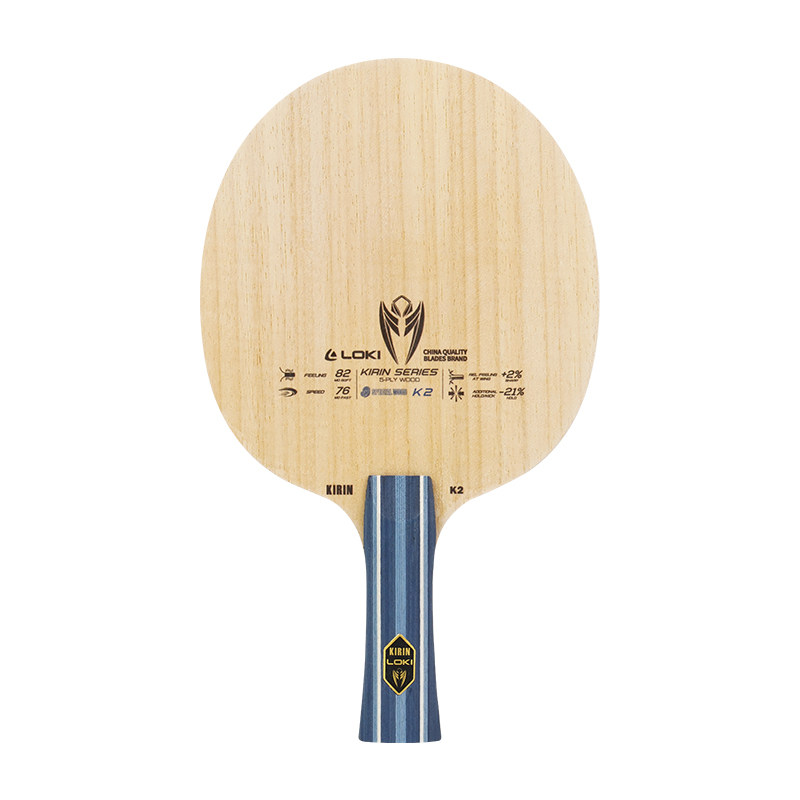 | A 5-ply all-wood blade with a soft, controlled feel, delivering balanced speed and excellent touch, ideal for beginners and all-round players. | Check Price | |
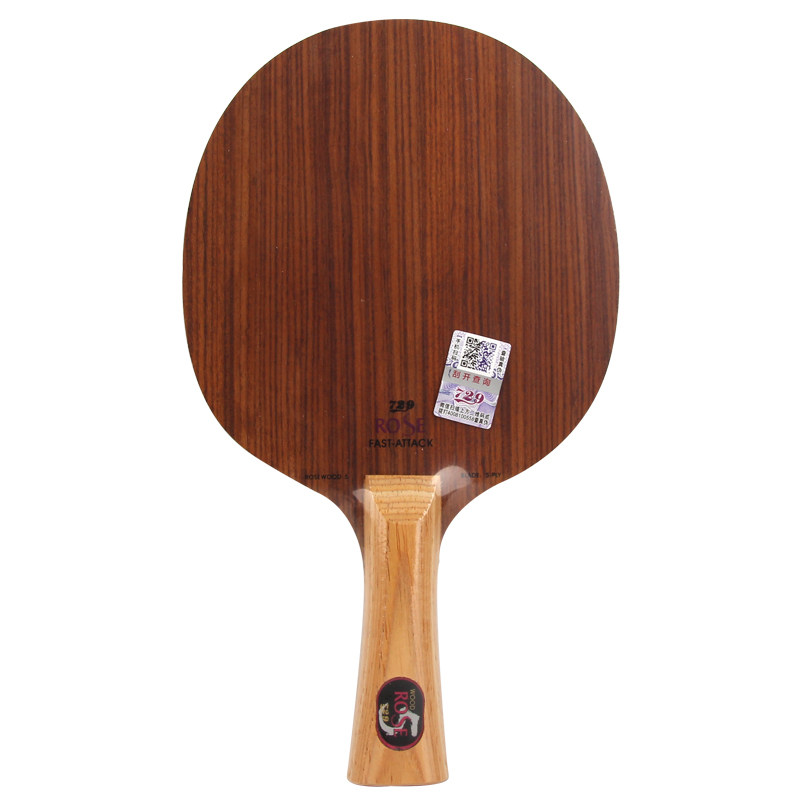 | Featuring rosewood outer plies, this 5-ply all-wood blade offers a crisp touch, balanced speed, and dependable control, making it suitable for consistent looping and all-round offensive play. | Check Price | |
 | A 7-ply inner carbon blade with Limba outer plies, offering balanced speed, a smooth feel, and stable control for players moving into carbon blade performance. | Check Price | |
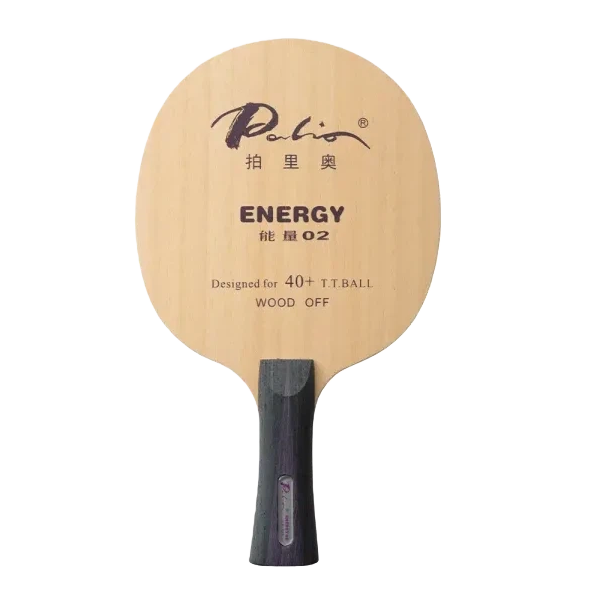 | An all-wood offensive blade with a solid, controlled feel, offering balanced speed and good spin potential, suitable for developing players and all-round attacking play. | Check Price | |
 | Built for aggressive attackers, this carbon-reinforced blade delivers a crisp, fast response with strong rebound and stable control for topspin and close-to-table offense. | Check Price | |
 | A 7-ply all-wood offensive blade with a solid, fast feel, offering strong power, good stability, and reliable control for aggressive looping and mid-distance attacking play. | Check Price | |
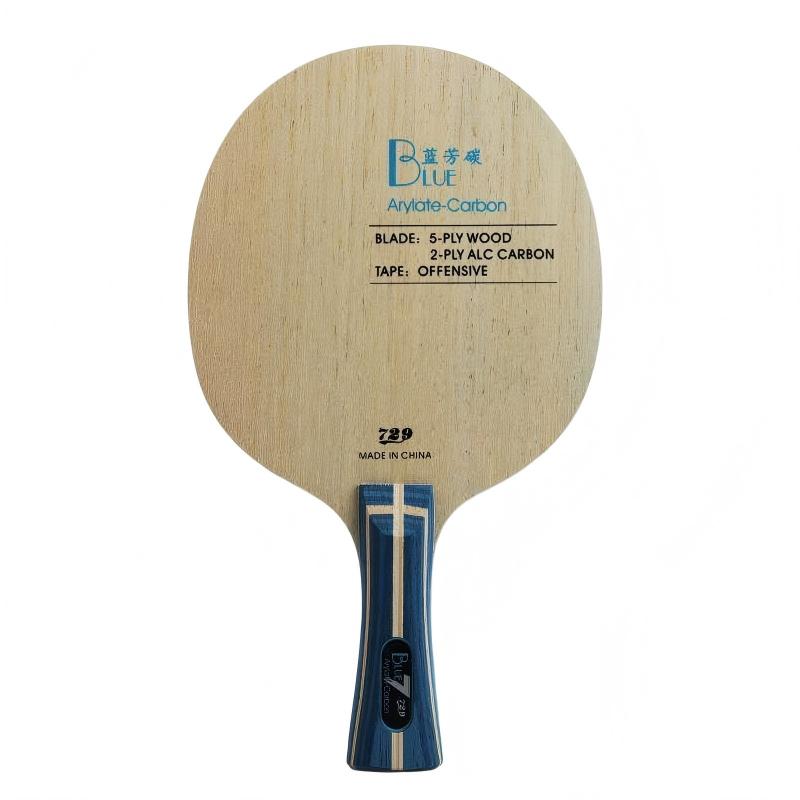 | Designed for modern attackers, this Arylate-Carbon blade combines a crisp, stable feel with balanced speed and reliable control for consistent topspin play. | Check Price | |
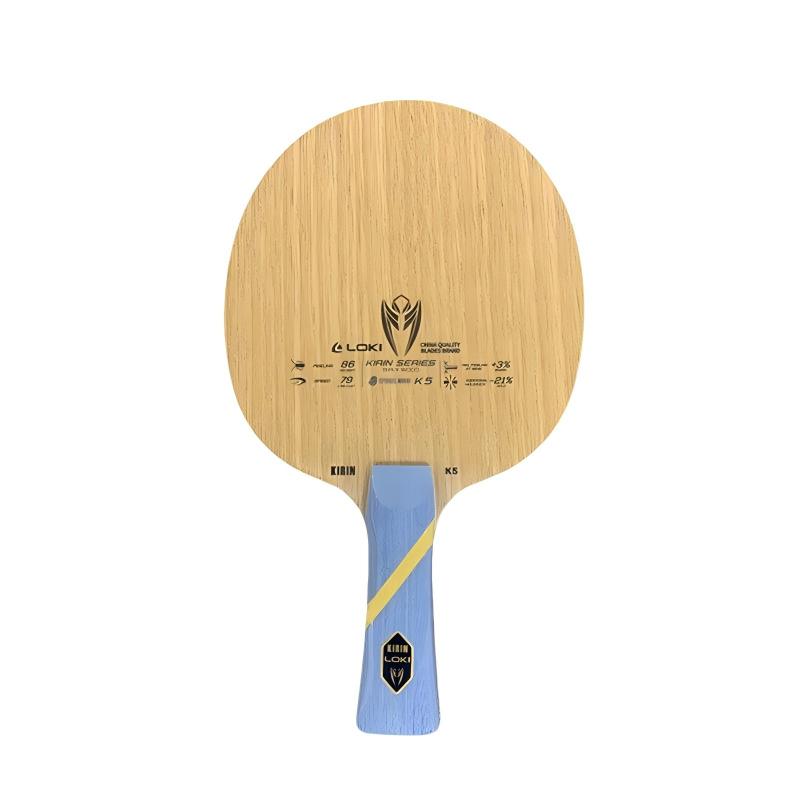 | A 5-ply all-wood offensive blade offering a solid feel, balanced speed, and reliable control, suitable for all-round attackers focusing on consistency and spin. | Check Price |
In a previous blog post, we introduced 10 of the cheapest table tennis rubbers, all of which were inverted rubbers. Today, we’re switching gears to talk about budget-friendly table tennis blades.
For many players who are new to the sport, it’s common to start by buying a cheaper, ready-made paddle. However, to be honest, these premade bats aren’t always truly cheap, and their performance is often average at best. Even worse, it’s difficult or inconvenient to change the rubber later.
A smarter and more cost-effective option is to buy a budget blade and separate rubbers and build your own racket. This DIY approach is usually much cheaper than many premade options — in fact, it can cost less than popular beginner sets like the Stiga Raptor, while offering better performance and upgrade potential.
Since there are so many affordable blades out there, we’re splitting this list into two parts. In today’s article (Part 1), we’re focusing on the best inexpensive table tennis blades priced under $30 — some are as low as $15–$18, but all deliver surprisingly good performance for the price. So let’s dive in!
Loki Kirin K2
The Loki Kirin series is easily one of the best value-for-money options in the low-price table tennis blade category. It’s honestly hard to believe how well these blades play considering how affordable they are.
Among the several models — from K1, K2, to K9, K11 — I personally find the K2 to be the most suitable choice for the majority of players. It offers excellent stability, a crisp and lively rebound, and, despite its fast feel, it remains very controllable thanks to its all-wood construction. The balance between speed and control is particularly impressive at this price point.

When paired with budget-friendly yet reliable rubbers such as Palio CJ8000 or Palio AK47, the total cost of the entire racket can easily stay under $30. For beginners and developing players who want a setup that is affordable, playable, and upgrade-friendly, the Loki Kirin K2 is an outstanding choice that punches well above its price.
Of course, the K1 and K3 are also very affordable options, but I won’t go into too much detail on them here. The main differences come down to construction: the K1 features a 5+2 composite structure with carbon layers, while the K3 is a 7-ply all-wood blade.
Despite these structural differences, both blades offer excellent value for money and perform far better than their price would suggest. Ultimately, the choice between them comes down to personal preference — whether you prefer the added stiffness and speed of a carbon blade or the more traditional feel of a thicker all-wood construction.
729 Rose Wood 5
The 729 Rosewood series is another classic and highly cost-effective option among budget table tennis blades. Within the lineup, the Rosewood 5 features a 5-ply construction, while the Rosewood 7 adopts a 7-ply all-wood structure, giving players different options depending on their preference for feel and stiffness.
Thanks to the natural characteristics of rosewood outer plies, these blades stand out for their excellent rigidity and solid impact feel. The blade surface is finished with a protective coating, while the slightly thickened core layer — with clearly visible wood pores — contributes to a deep, powerful hitting sound with a rich and full resonance. The overall feel is crisp, elastic, and powerful, and at medium power levels, the blade offers a very pronounced hold-and-release sensation, making it especially suitable for loop-and-drive offensive playing styles.
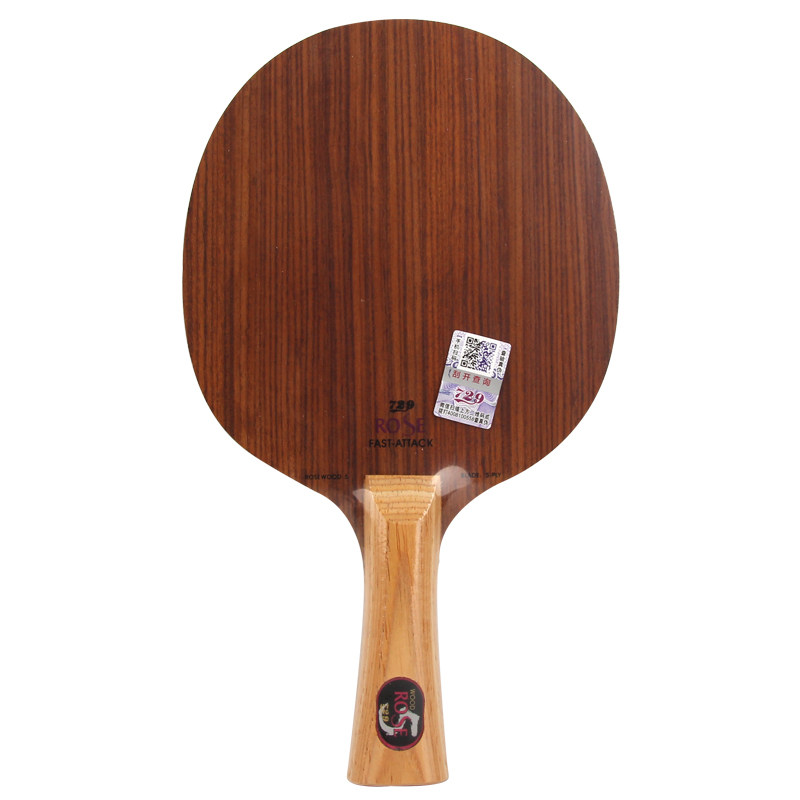
Structurally, the blade is composed of Rosewood + Spruce + Ayous + Spruce + Rosewood, a classic and well-balanced combination. This design provides excellent dwell time and strong reserve power, while the slightly thicker core helps maintain shot quality and consistency. Ball trajectories are generally low and direct, with a noticeable dipping effect after the bounce, which is particularly effective in modern topspin rallies.
In addition to its playing characteristics, the Rosewood series also stands out in terms of design and craftsmanship. The appearance is elegant and understated, with a traditional, premium look. The handle features a sweat-resistant, anti-slip design, and the use of absorbent wood materials ensures a comfortable and secure grip even during longer sessions. This is a blade that feels as if it was designed specifically for the 40+ plastic ball era, offering stability, power, and control at a very accessible price point.
Sanwei CC
The Sanwei CC blade is often regarded as one of the most cost-effective carbon blades in Sanwei’s lineup — a true budget gem for players looking to step up from basic equipment without breaking the bank. It features a 5-ply core with 2 carbon layers, which helps deliver a quick reaction, good elasticity, and a lively feel that suits an offensive style of play.
Thanks to its carbon reinforcement, the Sanwei CC offers a balanced blend of power and control. The carbon layers help increase the sweet spot, reduce unwanted vibration, and provide stable ball response even during fast exchanges. Meanwhile, the wooden plies retain enough natural feel to handle delicate touch shots, pushes, and spin variations.
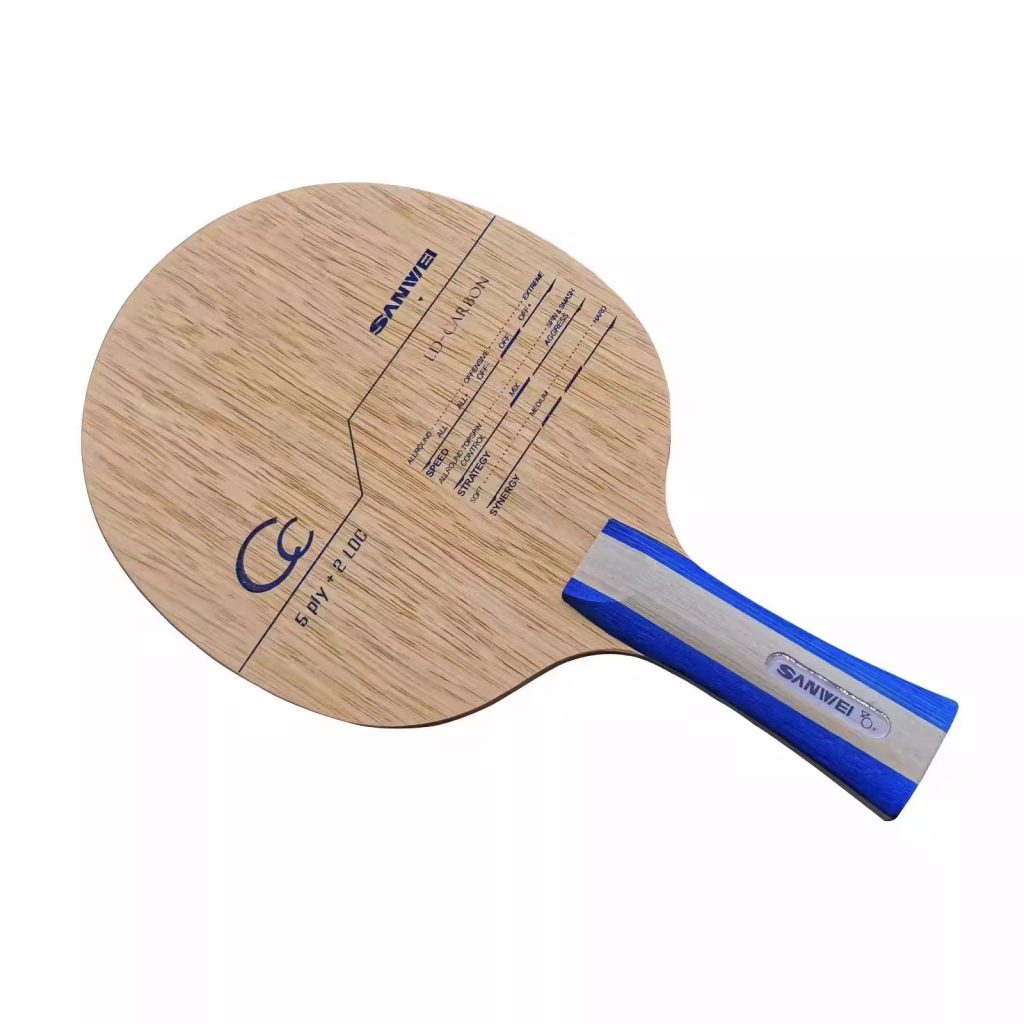
In contrast, the Sanwei T5000, which is priced similarly and also built with a 5-ply + 2 carbon structure, tends to receive slightly less enthusiastic feedback from players. Many users report that the T5000 feels stiffer and less elastic compared to the CC, resulting in a flatter rebound and less lively ball feel — especially noticeable when trying to generate powerful loops or quick offensive drives.
The CC’s lightweight design (typically around the mid-80 gram range) also contributes to easier maneuverability and quicker wrist movements, making it well-suited for rapid rallies and close-to-table play. When paired with complementary rubbers, many players find that the Sanwei CC holds its own far above its price point — to the extent that it often outperforms other blades in the same budget category.
Palio Energy 02
The Palio Energy series is a classic entry-level lineup of table tennis blades that has stood the test of time, covering a range of options from pure all-wood constructions to blades with composite layers. Among the series, the Palio Energy 02 is often considered the most iconic and versatile choice — especially for players who are stepping up from beginner paddles to their first custom setup.
The Energy 02 features a 5-ply all-wood construction, which gives it a naturally flexible feel, good internal strength, and a balanced blend of power and touch. Compared with some stiffer carbon or fiber blades, its all-wood makeup helps produce a comfortable and responsive ball feel, making it easy to develop looping techniques and fast attacks without losing control.
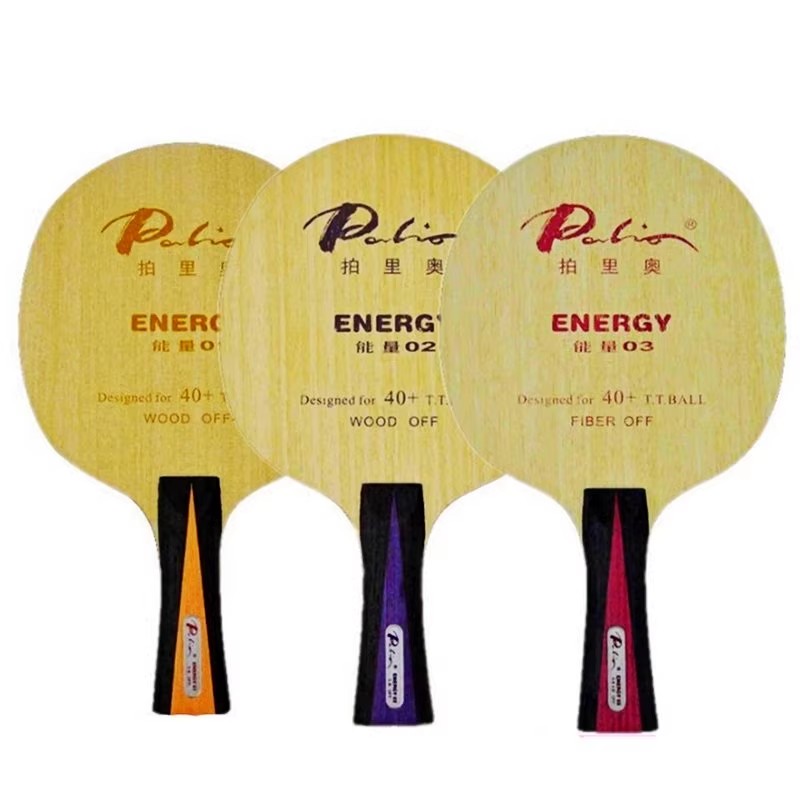
Players often describe the Energy 02 as having a moderate OFF (offensive) speed, which is fast enough for controlled topspin and driving rallies while still retaining enough feedback and dwell time to feel predictable in placement and spin. This combination makes it especially appealing to intermediate players who want a blade that supports both looping and short game precision.
The blade is usually available in both shakehand (FL) and penhold (CS) handle options, allowing players with different grip preferences to enjoy similar performance. With a typical weight in the mid-80 gram range and a thickness around ~6.9 mm, the Energy 02 feels well-balanced and maneuverable, which helps players transition smoothly from basic play to more advanced strokes.
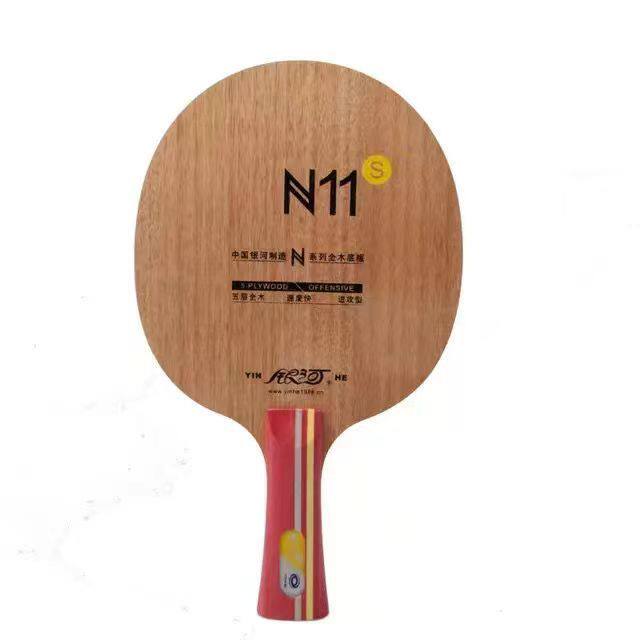
Yinhe N11 S
When it comes to value for money, Yinhe (Galaxy) blades have long been fan favorites. In previous reviews, we tested some models from the Yinhe Pro series and were genuinely impressed by their performance. What many players may not realize, however, is that even in the lower price range, Yinhe still offers extremely competitive options.
The N series has traditionally been regarded as one of the best entry-level blade lineups, and within this series, the N11S is arguably the most popular model. It features a 5-ply all-wood construction, delivering a clean and direct feedback that many developing players appreciate. The blade provides good dwell time, allowing the ball to sink in slightly before release, which helps with spin generation and control.
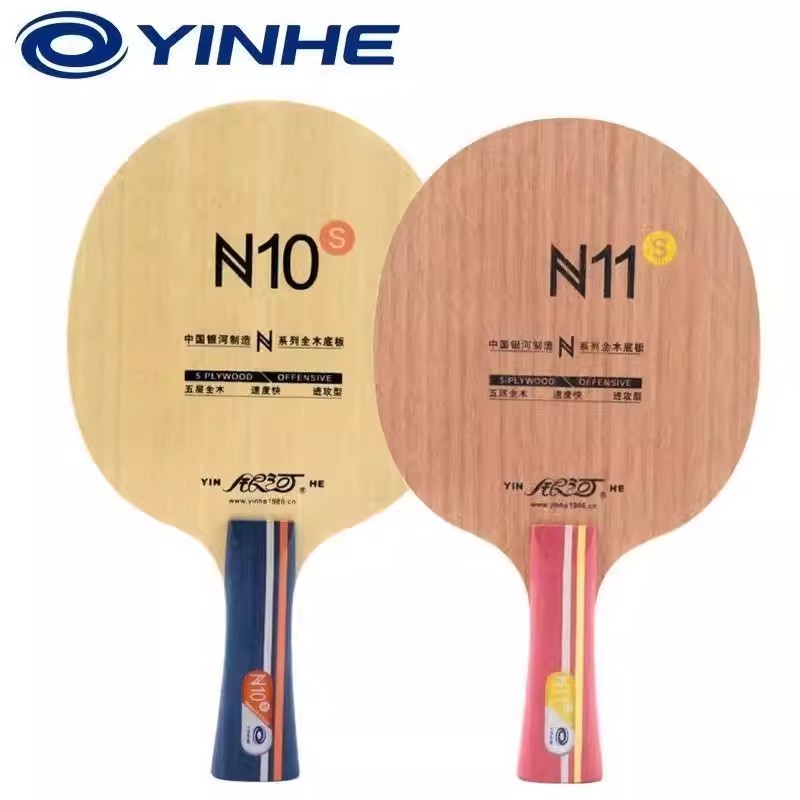
In terms of performance, the N11S offers a stable and predictable speed. It is not overly fast, but it has enough offensive capability for both looping and driving. Control is one of its strongest points — whether in the short game, block exchanges, or topspin rallies, the blade remains consistent and forgiving. Even from mid-distance, it retains decent reserve power, making it more versatile than many typical beginner blades.
The blade is generally lightweight (often around 80–85 grams) and slightly thicker than some traditional all-wood blades, which contributes to a solid yet comfortable feel. The combination of manageable speed, strong control, and clear feedback makes the N11S particularly suitable for beginners and early intermediate players who want to build solid fundamentals without sacrificing offensive potential.
Additional Recommendations
There are still several other highly worthwhile blades in this price range that didn’t make the main top 10 but deserve mention for their performance and value.
Sanwei Fextra 7 — A standout 7-ply all-wood option that offers a punchy and direct response perfect for offensive loopers and mid-distance attackers. Its limba top layers provide good dwell time and enhance topspin potential, making looping and drives feel confident and controlled. Unlike some stiffer 7-ply blades, the Fextra 7 maintains excellent ball feedback and stability on blocks and counters, thanks to its balanced feel and medium-soft impact sensation. Players who prefer a pure wood offensive blade with solid feedback will find this one very capable for the price.
Loki Kirin K5 & K5 Pro — In the Loki Kirin lineup, both the K5 and K5 Pro are quality budget choices that build on the series’ reputation for accessible performance. While the K2 might be best for the broadest range of players, the K5 models offer a touch more stability and power, especially for those who enjoy more dynamic offensive play. These blades remain easy to control despite their added speed, making them great options for developing players who want a little more punch without sacrificing touch.
729 Blue ALC — A very popular arylate-carbon blade that delivers an excellent blend of speed, control, and feel at a budget price. Many players find it surprisingly smooth for an ALC construction: it offers good stability, consistent response, and plenty of precision even when attacking. It tends to perform best with medium-to-hard rubbers and offers low-to-medium throw, making it versatile for both flat shots and looping play.

Could you please describe the layers wood composition of these blades? Tks !